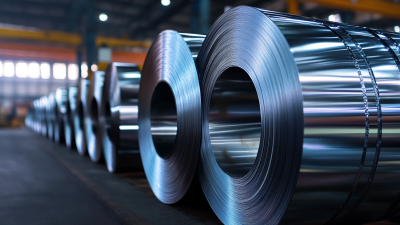
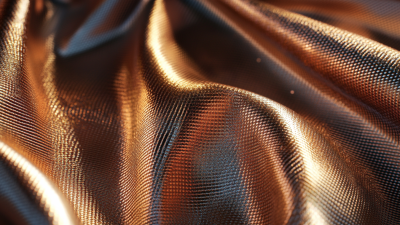
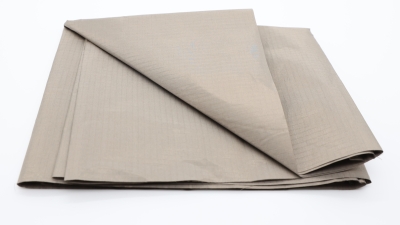
Looking ahead to 2025, it’s pretty clear that the Manufacturing world is about to go through some serious changes. A lot of this shift is going to be fueled by some exciting advancements inmaterials technology. Take, for instance, Metal fiber Non Woven Fabric. This stuff is really something special and is expected to shake things up in the industry by providing top-notch performance features that meet the growing need for durability, lightweight options, and eco-friendliness.
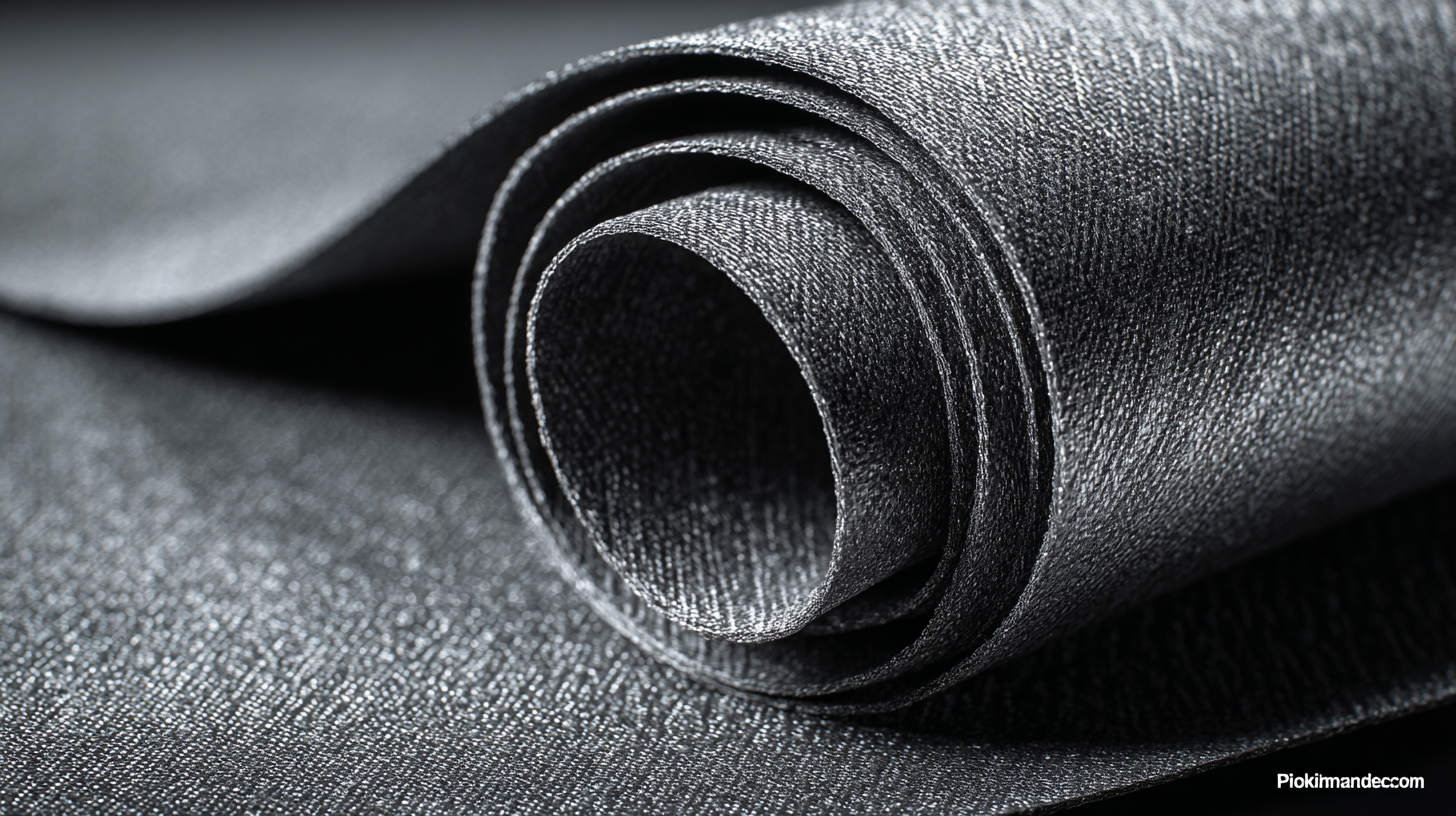
Here at SHIJIAZHUANG 3L TECHNOLOGY CO., LTD., we’ve been leading the charge in professional textile manufacturing since 2009, honing our focus on high-performance Tech-textile materials. Our drive for innovation puts us in a great position to utilize Metal Fiber Non Woven Fabric to create amazing solutions for all sorts of industrial needs. In this blog, we’re going to dive into how this cutting-edge fabric is not just going to revamp manufacturing processes but also help boost efficiency and sustainability across various sectors.
Types of Metal Fiber Non-Woven Fabrics and Their Unique Properties
You know, metal fiber non-woven fabrics are really becoming a big deal in the manufacturing world, and for good reason! These materials bring some pretty unique properties to the table and can be used in all sorts of applications. Basically, we can break them down into three main kinds: stainless steel fibers, copper fibers, and aluminum fibers. Now, stainless steel fibers are really something else—they’re tough as nails and resistant to rust, which makes them perfect for industries like automotive and aerospace. According to a market report I came across from MarketsandMarkets, the global market for these fabrics is expected to actually double, jumping from $1.2 billion in 2020 to around $2.4 billion by 2025. That’s a solid compound annual growth rate of 15.5%—not too shabby, right?
On the flip side, we have copper fibers, which are fantastic when it comes to thermal and electrical conductivity. This makes them a great fit for electronics and electrical insulation. Plus, they have some nifty antimicrobial properties, which is becoming super important in the medical textiles field. And let’s not forget about aluminum fibers—they’re lightweight and flexible, making them ideal for protective clothing and filtering applications. It looks like the demand for materials that are not only lightweight but also durable and multifunctional is really on the rise. This trend shows just how game-changing metal fiber non-woven fabrics can be for modern manufacturing as we head into 2025!
2025 Industry Innovations: Metal Fiber Non-Woven Fabrics Properties
This chart illustrates the key properties of metal fiber non-woven fabrics expected to revolutionize manufacturing by 2025. The properties measured include electrical conductivity, thermal conductivity, weight, durability, and water resistance, showcasing their potential impact on industrial applications.
Applications of Metal Fiber Non-Woven Fabrics Across Various Industries
You know, metal fiber non-woven fabrics are really shaping up to change the game across various industries. They come with some pretty unique perks that could seriously boost product performance and help with sustainability too. Take the automotive world, for example; these fabrics can actually be used in sound insulation materials. This means they can cut down on noise levels, and the best part? They're lightweight, which is a huge plus. Plus, they have fantastic thermal conductivity and can stand up to extreme temperatures, making them perfect for stuff inside vehicles. They help keep passengers comfy and safe, which is what we all want, right?
Now, let’s look at the electronics side of things. Metal fiber non-woven fabrics make for awesome EMI (electromagnetic interference) shields. These bad boys protect sensitive components, making sure that our electronic devices don’t get messed up from outside interference. They also boost the durability and lifespan of these gadgets, so they’re super important in today’s manufacturing scene. And because they’re so flexible and light, we can get really creative with wearables and smart textiles. It’s exciting to think about how these fabrics can blend functionality with our daily lives.
And hey, the medical field is jumping on this bandwagon too! They’re starting to use metal fiber non-woven fabrics for high-tech filtration systems and surgical textiles. These fabrics not only have antimicrobial properties but also offer great breathability, making them fantastic for protective gear and face masks. As more industries pick up on these innovations, we can definitely expect to see better efficiency and improved products all around. It's an exciting time for these materials, for sure!
Comparative Analysis of Metal Fiber vs. Traditional Fabrics in Manufacturing
You know, metal fiber non-woven fabric is really starting to change the game in manufacturing! It’s pretty exciting how it’s outdoing traditional fabrics in so many ways. A report from MarketsandMarkets even shows that the metal fiber textiles market is set to rise at a whopping 9.5% each year from 2020 to 2025. That growth is mostly fueled by the increasing demand in industries like aerospace, automotive, and electronics. What sets metal fibers apart from the usual fabrics is that they offer better conductivity, durability, and thermal resistance—perfect for those high-performance applications.
One of the coolest things about these metal fiber fabrics is how well they handle fire and heat. This is super important in places like aerospace, where safety is a big deal. Traditional fabrics just can’t cut it when it comes to this kind of protection. Often, you have to treat them with something extra, which can weaken them in the long run. So, if manufacturers want to boost the resilience of their products, moving to metal fiber non-wovens is a smart move. Not only does it meet those strict safety regulations, but it also helps lengthen the lifespan of products.
**A little tip:** If you’re thinking about making the switch to metal fiber fabrics, take a good look at what your specific needs are so you can really make the most of their unique qualities. And hey, don’t forget to keep an eye on the latest industry reports to catch any fresh developments or innovations in material tech that might just shake up your manufacturing processes. Plus, using metal fibers could save you some cash over time since they’re built to last and need less maintenance.
2025 Industry Innovations: How Best Metal Fiber Non Woven Fabric Will Transform Manufacturing - Comparative Analysis of Metal Fiber vs. Traditional Fabrics in Manufacturing
| Attributes | Metal Fiber Non Woven Fabric | Traditional Fabrics |
| Strength | High tensile strength | Moderate tensile strength |
| Durability | Excellent durability, resistant to wear | Wear over time; lower lifespan |
| Thermal Resistance | High thermal resistance | Limited thermal resistance |
| Electrical Conductivity | Excellent conductivity | Non-conductive |
| Cost | Higher initial cost | Lower initial cost |
| Weight | Lightweight | Variable weight |
| Applications | Advanced manufacturing, Aerospace | General textiles, Apparel |
Innovative Manufacturing Processes Utilizing Metal Fiber Non-Woven Materials
In the landscape of modern manufacturing, the emergence of metal fiber non-woven materials is set to redefine production processes across various industries. These innovative materials are not only versatile but also lightweight and durable, making them ideal for applications where performance and sustainability are paramount. For instance, the global nonwoven fabrics market is projected to grow from USD 58.19 billion in 2024 to USD 62.00 billion by 2025, highlighting a robust demand for advanced textile solutions. Companies like SHIJIAZHUANG 3L TECHNOLOGY CO., LTD. are at the forefront of this transformation, pushing the boundaries of technical textiles to deliver high-performance products that meet the evolving needs of manufacturers.
Furthermore, advancements in fabrication techniques are revolutionizing applications in sectors such as wearable technology and aerospace. With the increasing emphasis on body conformability, new manufacturing processes are enabling the creation of electronic devices that seamlessly blend into textiles, enhancing functionality without compromising comfort. Likewise, in transportation, nonwoven technologies are being leveraged to reduce vehicle weight, thereby improving fuel efficiency and lowering emissions. This integration of innovative manufacturing processes using metal fiber non-woven materials not only reflects a shift towards more sustainable practices but also signifies a broader trend of innovation in technical textiles that promises to enhance performance across various applications.
Future Trends in Metal Fiber Fabric Development and Industry Adoption
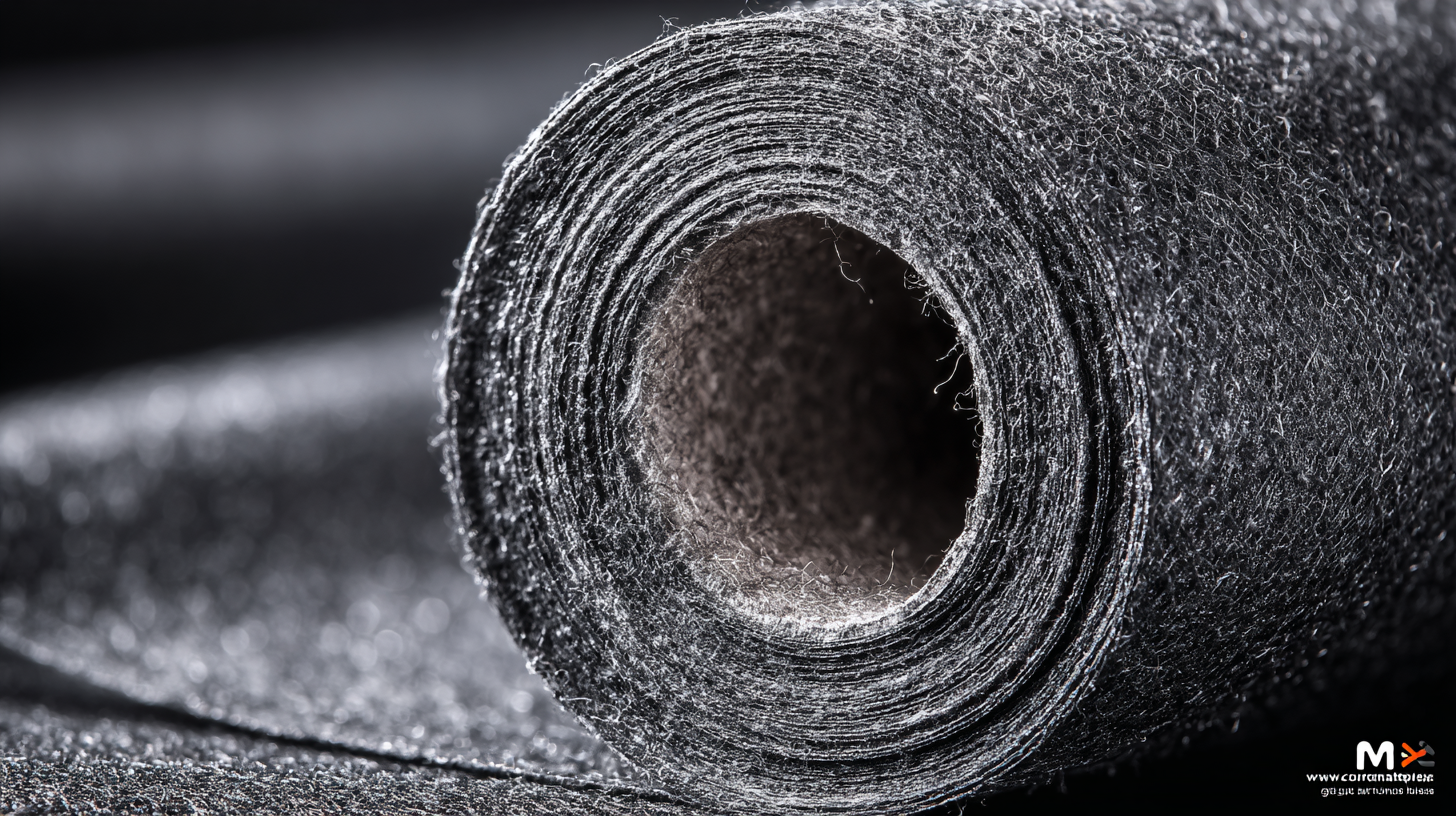
You know, the way metal fiber non-woven fabrics are developing really could shake things up in manufacturing. They're like the perfect bridge between what we’ve always known as textiles and the cool, advanced materials that are hitting the market. With industries on the lookout for products that are not just stronger but also longer-lasting, these fabrics are catching everyone's attention. They have some pretty awesome features—think strength, conductivity, and the ability to handle some serious conditions. Manufacturers are getting creative with how they produce these lightweight and super versatile materials, which means we’ll likely see them popping up in everything from cars to airplanes.
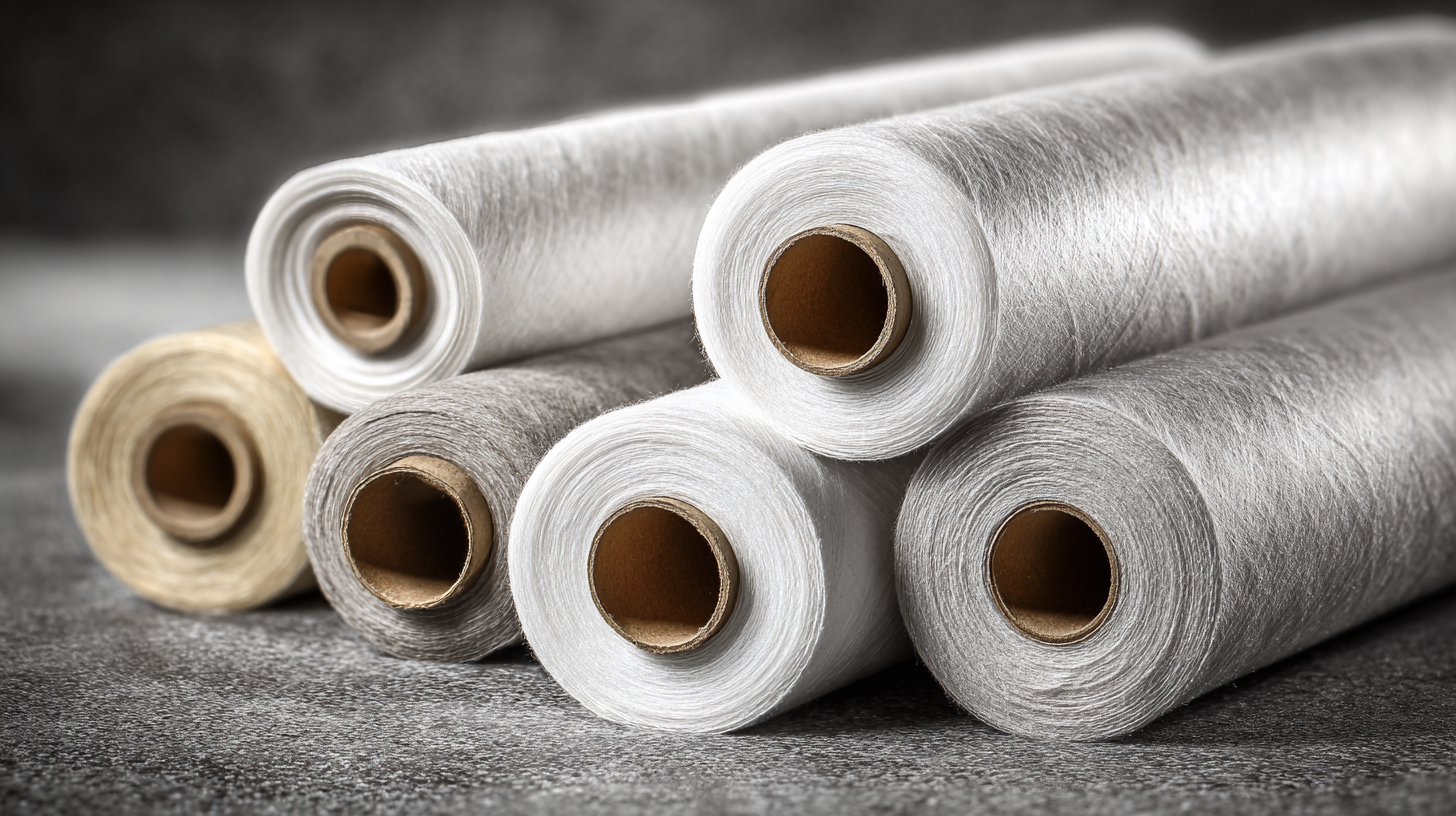
Looking ahead, I think we’re in for a big wave of metal fiber fabric use, especially since they offer better functionality and are more sustainable. This whole push for eco-friendly manufacturing is a game changer. Metal fibers can be recycled and reused, which is great for cutting down on waste and being kinder to our planet. Plus, as tech keeps advancing, it’ll be easier for companies to whip up custom metal fiber composites designed just for what specific industries need. This way, manufacturers can not only meet but exceed what the market's throwing at them, all while boosting their efficiency. So, as these trends keep growing, seeing metal fiber fabrics in even more products will definitely showcase how innovative manufacturing processes can get.
Challenges and Solutions in Implementing Metal Fiber Non-Woven Technologies
You know, the whole integration of metal fiber non-woven technologies in manufacturing is really fascinating, but it also comes with its fair share of challenges. As industries start to embrace this new type of fabric, they often hit some bumps in the road, especially when it comes to the production process. For instance, manufacturers might struggle to find good quality metal fibers, and getting these materials evenly spread throughout the non-woven fabric can be a bit tricky. If they're not careful, this unevenness could really impact how the fabric performs. So, there’s a real need to put some research into finding better manufacturing techniques and smarter supply chain strategies.
On top of that, when it comes to using metal fiber non-woven materials, companies might have to tweak their current manufacturing setups and workflows. Let’s face it, not everyone is jumping at the chance to change things up, and workers will need proper training to get the hang of dealing with these new materials. Tackling these issues means investing in solid education programs and creating a culture of innovation within the teams. By encouraging collaboration among engineers, manufacturers, and tech experts, making the switch to metal fiber non-woven fabrics could go a lot smoother, ultimately leading to way better performance and durability in areas like automotive and aerospace. It’s a bit of a journey, but it’s definitely worth it!
Exploring the Future of EMI Shielding: The Impact of 5G Technologies on Conductive Fabric Solutions and Market Growth
The advent of 5G technologies is revolutionizing various sectors, and the demand for effective EMI shielding solutions is more critical than ever. As wireless communication expands into high-frequency bands, the need for superior conductive fabrics that can mitigate electromagnetic interference becomes essential. One standout innovation in this realm is the 5G RF Block Silver-Copper-Nickel coated conductive/shielding cloth, specifically engineered to meet the rigorous challenges posed by advanced 5G applications.
This cutting-edge fabric boasts remarkable features such as uniform coating and strong adhesion, ensuring durability and effectiveness across various environments. The material exhibits excellent corrosion resistance and performs admirably across a wide working frequency range. With shielding effectiveness reaching between 70-110dB and surface resistance as low as 0.005-0.05Ω/sq, this fabric not only meets but exceeds existing standards for conductive shielding materials. As industries such as telecommunications, military, aerospace, and healthcare increasingly demand sophisticated shielding solutions, the capabilities of this conductive fabric position it as a vital asset in the ongoing evolution of EMI/RFI electronics.
The integration of such advanced materials in 5G shielded applications signals a significant market growth potential, as manufacturers seek reliable solutions that address the complexities of modern technology. Whether used in RFID fabrics or sophisticated medical instruments, this conductive cloth underscores a pivotal shift towards more resilient and efficient shielding solutions that are poised to shape the future of connectivity and innovation in a 5G world.
FAQS
: The global market for metal fiber textiles is projected to grow at a CAGR of 9.5% from 2020 to 2025.
Metal fiber fabrics provide superior conductivity, durability, thermal resistance, and inherent fire and heat resistance, making them ideal for high-performance applications.
Fire and heat resistance is crucial in aerospace due to stringent safety standards, which traditional fabrics may not meet without additional treatments that can compromise their integrity.
Switching to metal fiber non-wovens can enhance product resilience, meet safety regulations, and improve the overall lifecycle of products.
These processes are lightweight, durable, and promote sustainability while enhancing performance, making them ideal for applications in various industries.
The global nonwoven fabrics market is projected to grow from USD 58.19 billion in 2024 to USD 62.00 billion by 2025.
Advancements are being applied in sectors such as wearable technology, aerospace, and transportation.
These processes allow the integration of electronic devices into textiles, enhancing functionality without compromising comfort.
They help reduce vehicle weight, improve fuel efficiency, and lower emissions.
Manufacturers should keep an eye on the latest industry reports to stay informed about advancements and innovations that may influence their processes.