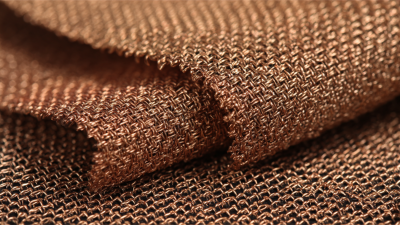
Picking out the right Copper Nickel EMI Shield Fabric is actually pretty important for a lot of industries these days. I mean, experts like Dr. Leo Sanderson from ShieldTech often point out that "choosing the right material can really make a big difference in how well things perform." So, it’s super clear how crucial it is to make informed choices.
Copper Nickel EMI Shield Fabric isn’t just about conductivity; it’s also great at resisting corrosion — which is a huge plus, especially if you're into electronics, aerospace, or automotive stuff. But here’s the thing — not all Fabrics are created equal. Depending on what exactly you’re working on, your needs could be totally different. That’s why getting a good handle on what you really need is so important.
When you're comparing different options, don’t just focus on the basics like thickness, weight, and flexibility. Sometimes, what looks like the perfect fabric might not hold up under real-world conditions. Thinking about these little factors can help you avoid surprises later on. And honestly, experts recommend testing things out thoroughly before making a final call — better safe than sorry, right? As technology advances, understanding the ins and outs of Copper Nickel EMI Shield Fabric becomes more and more important if you want to stay ahead of the game.
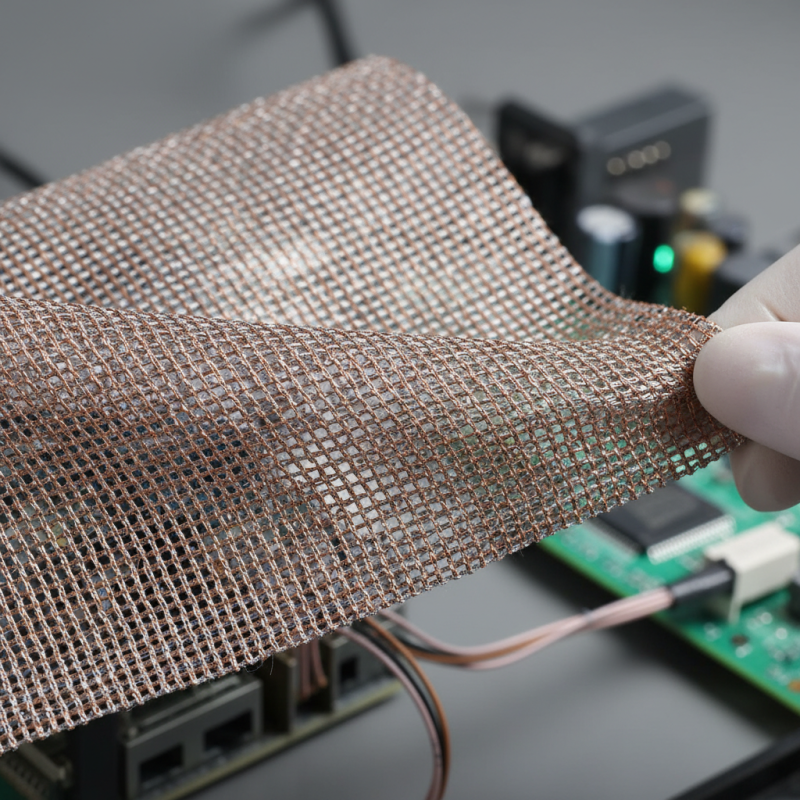
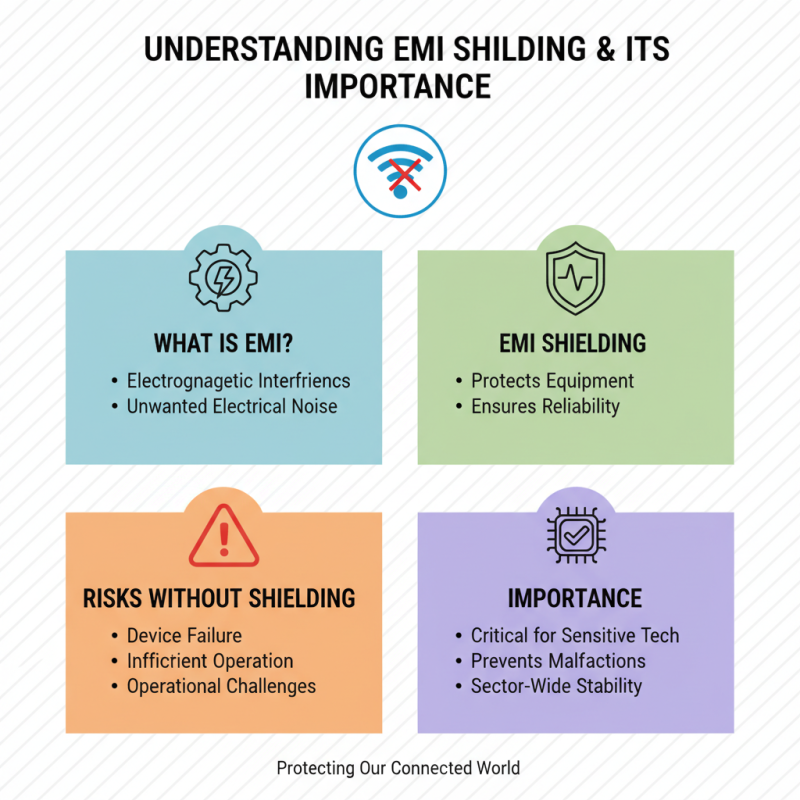
Electromagnetic interference (EMI) can disrupt electronic devices. Understanding EMI Shielding is essential for protecting sensitive equipment. Effective shielding reduces unwanted electrical noise. Without appropriate measures, devices may fail or operate inefficiently. This creates operational challenges across various sectors.
Copper nickel EMI shield fabric is a popular choice for EMI protection. It combines excellent conductivity with durability, making it ideal for a range of applications. The fabric's ability to block electromagnetic waves is vital in industries like telecommunications and aerospace. Selecting the right material can enhance performance and reliability. However, it's crucial to remember that not all fabric is equal. Some may not provide the level of shielding needed, leading to potential issues.
Choosing copper nickel EMI shield cloth requires careful consideration. Factors include thickness, conductivity, and application type. Engaging with professionals can offer insights. Ensure that the selected fabric meets specific requirements for your project. It’s important to reassess options periodically. New technologies might lead to better alternatives. Balancing cost and effectiveness is part of the process.
Copper nickel alloys are notable for their effectiveness in electromagnetic interference (EMI) shielding. These materials combine copper's excellent electrical conductivity with nickel's corrosion resistance. This synergy makes copper nickel shielding fabric particularly suitable for various applications. Users often choose this fabric to protect sensitive equipment in places like aerospace, medical devices, and telecommunications.
When selecting copper nickel EMI shield fabric, consider the alloy composition. Varying percentages of copper and nickel can influence shielding effectiveness. A higher copper content generally enhances conductivity, while nickel addition improves durability. Think about the specific environment where the fabric will be used. Will it face moisture or corrosive elements? The fabric should withstand these conditions while providing reliable protection.
Quality of the fabric also plays a crucial role. Look for durable, well-manufactured options. These fabrics should maintain their integrity under stress or wear. Testing for performance can reveal a lot. Proper evaluations ensure that the copper nickel EMI shield fabric meets your specific shielding needs. This step is vital to avoid regret later on. The right choice of this shielding fabric can lead to significant long-term benefits.
When selecting copper nickel EMI shield fabric, several key considerations come into play. First, it's essential to assess the fabric's conductivity and shielding effectiveness. According to a report by the IEEE, fabrics with a conductivity of at least 10 S/m are preferable for optimal EMI shielding. This ensures that the fabric can effectively dissipate electromagnetic interference, making it suitable for sensitive applications.
Material durability is another critical aspect. Copper nickel blends provide robustness, making them suitable for environments that require high wear resistance. Additionally, consider the fabric's flexibility, as some applications may demand a soft, pliable material. If the fabric cannot withstand bending or flexing, it may fail in performance.
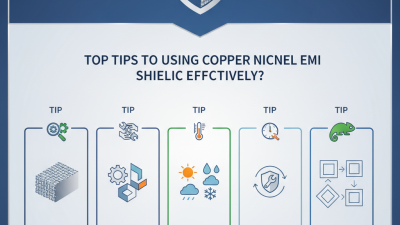
**Tip:** Look for fabrics that meet the MIL-STD-285 standard, which ensures reliable shielding effectiveness.
Furthermore, the thickness of the fabric influences its performance. Thicker materials generally offer better shielding but can be cumbersome. A balance between thickness and flexibility is necessary for your specific application.
**Tip:** Test a small piece if possible. Evaluate how the fabric behaves under real-world conditions.
Lastly, consider the fabric's impedance properties. Fabrics that demonstrate consistent impedance across a range of frequencies will better serve applications involving emi shield cable conductive tinsel wire. Make sure to consult detailed technical data sheets for precise information.
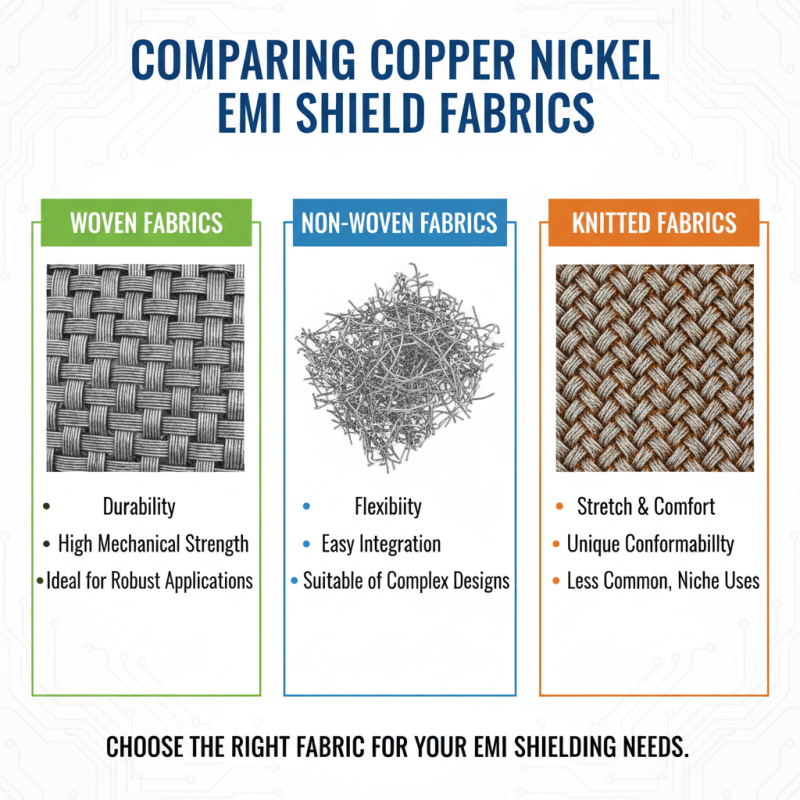
When selecting copper nickel EMI shield fabric, understanding the different types available is crucial. The main varieties include woven, non-woven, and knitted fabrics. Woven fabrics offer excellent durability and are ideal for applications requiring high mechanical strength. Non-woven fabrics provide flexibility and are often easier to integrate into designs. Knitted fabrics, while less common, can offer unique benefits in terms of stretch and comfort.
Tips for selecting the right fabric include considering the application. If you need durability, lean toward woven varieties. For lightweight and stretchable needs, knitted options may suit you better. The environment plays a role too; some fabrics perform better in extreme temperatures. Testing samples can reveal how various fabrics respond to stress and wear.
Many overlook the importance of fabric weight. Lighter materials may seem preferable but could lack necessary shielding effectiveness. On the other hand, heavier fabrics tend to provide better EMI protection but can add to the overall product weight. An ideal choice balances efficacy and practicality. Always rethink your options based on real usage scenarios.
When selecting copper nickel EMI shield fabric, understanding its electrical and thermal conductivity is vital. Copper nickel weaves offer excellent shielding effectiveness against electromagnetic interference. This characteristic is particularly relevant in modern electronics, where signal integrity is paramount. A fabric's conductivity affects its shielding performance. Higher conductivity generally means better EMI absorption. However, achieving this balance can be a challenge.
Thermal conductivity also plays an essential role in fabric selection. Efficient thermal management is crucial in high-power applications. The copper nickel blend provides not only good EMI shielding but also effective heat dissipation. However, not all fabrics perform the same under various conditions. Factors like temperature and fabric thickness can influence results. Testing materials in real-world conditions can reveal their limitations. It's crucial to take practical scenarios into account when evaluating options.
Selecting the right fabric involves understanding both the specifics of your application and the materials' properties. It’s an ongoing learning process. Testing different combinations may be necessary to find an ideal solution. Not every fabric will meet your needs perfectly. Each choice comes with trade-offs that should be carefully considered.
When budgeting for copper nickel EMI shielding, it’s essential to understand the factors affecting costs. Research indicates that the price of copper nickel alloy can vary significantly based on market fluctuations. As of recent reports, prices for copper nickel materials range from $6 to $12 per pound. Installation and fabrication costs can further increase the overall budget. It's crucial to obtain multiple quotes from vendors to ensure a competitive rate.
Consider the specific applications as well. The choice of emi shield sleeve conductive tinsel wire will impact not only the performance but also the budget. Higher quality materials may lead to increased upfront costs but may result in long-term savings through durability. For instance, using a higher grade of copper nickel can enhance shielding effectiveness by up to 40%. While it’s tempting to cut costs with lower-grade materials, reflect on the potential risk of equipment failure due to inadequate shielding.
Finally, when analyzing total expenses, don't forget additional costs. This includes testing, regulatory compliance, and installation. These aspects can add another 15-30% to the initial budget. Balancing upfront costs with potential long-term benefits requires careful thought. Understanding these elements will lead to smarter financial decisions in the deployment of EMI shielding solutions.
| Fabric Type | Conductivity (S/m) | Thickness (mm) | Cost per Meter ($) | Best Applications |
|---|---|---|---|---|
| Copper Nickel Woven | 2.1 x 10^7 | 0.25 | $30 | Aerospace, Automotive |
| Copper Nickel Non-Woven | 1.8 x 10^7 | 0.20 | $25 | Consumer Electronics |
| Copper Nickel Coated | 2.5 x 10^7 | 0.30 | $35 | Industrial Equipment |
| Hybrid Composite | 1.9 x 10^7 | 0.35 | $40 | Medical Devices |
Electromagnetic interference (EMI) presents significant challenges across various industries. Selecting the right copper nickel EMI shield fabric is crucial for effective solutions. These fabrics are employed in sectors like telecommunications, aerospace, and automotive. Each application demands specific properties. For example, the aerospace industry requires lightweight materials that can withstand extreme conditions.
Different industry standards exist to guide fabric selection. Organizations like ASTM International provide testing methods for shielding effectiveness. Understanding these standards can enhance product reliability. Yet, there may be gaps in awareness about their application. Many engineers might overlook the importance of proper shielding in high-frequency environments. This can lead to performance issues, highlighting the need for continuous education in EMI solutions.
The versatility of copper nickel fabrics allows for various configurations. Their conductivity and durability make them suitable for diverse applications. However, challenges remain. Some fabrics might not align perfectly with every project’s requirements. Adjusting the design or seeking alternative materials could be necessary. It’s an ongoing process of evaluation and adjustment.
: The main types are woven, non-woven, and knitted fabrics. Each type has unique characteristics.
Consider the application. Woven fabrics are durable, while knitted fabrics offer stretch.
Lighter fabrics may lack shielding effectiveness. Heavier fabrics provide better protection but add weight.
Higher conductivity improves EMI absorption. Balance between conductivity and practicality is essential.
Efficient thermal management is vital in high-power applications. Not all fabrics perform equally under various conditions.
Obtain multiple quotes. Consider materials and their long-term benefits, even if they seem pricier upfront.
Prices can vary based on market conditions. Installation and fabrication also impact overall costs.
Yes, consider testing, regulatory compliance, and installation. These can add 15-30% to your budget.
Testing samples in real-world conditions is crucial to evaluate performance under stress and wear.
Not every fabric will perfectly fit requirements. Understand trade-offs and revisit options as needed.
Choosing the right Copper Nickel EMI Shield Fabric requires a deep understanding of electromagnetic interference (EMI) shielding and its critical role in protecting electronic devices. Copper-nickel alloys are increasingly favored for their effective EMI shielding properties, combining excellent electrical and thermal conductivity. When selecting EMI shield fabric, key considerations include the specific application requirements, the type of copper-nickel fabric, and the fabric's performance characteristics.
Furthermore, it is essential to conduct a cost analysis to align the budget with the desired EMI shielding standards. Different types of copper-nickel fabrics offer various benefits, making it crucial to compare these options based on electrical conductivity, thermal performance, and specific use cases. Ultimately, understanding industry standards and applications for Copper Nickel EMI Shield Fabric ensures that the chosen material meets the necessary specifications to deliver optimal performance in safeguarding sensitive electronic components.