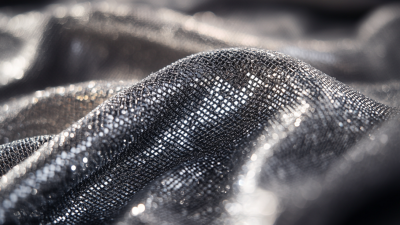
As we get closer to 2025, it’s pretty clear that the Mixed Anti Static Fiber market is gearing up for some big changes. You know, there’s a growing demand for these fibers in a bunch of industries like automotive, electronics, and healthcare. Recent market research shows that the global Anti-Static fiber market is expected to grow by over 5% a year during this time. That tells us there’s definitely a shift happening towards more advanced materials that not only improve safety but also boost functionality. Here at SHIJIAZHUANG 3L TECHNOLOGY CO., LTD., we’ve been leading the way since 2009, diving deep into the world of high-performance technical textiles. Our drive for innovation really sets us apart, allowing us to deliver some groundbreaking solutions with Mixed Anti Static Fiber. It’s super important for us to understand the different types of these fibers and their applications, especially as we navigate through this ever-changing landscape and develop smart strategies for growth and adaptability.
Emerging Trends in the Mixed Anti-Static Fiber Market: A 2025 Outlook
Looking ahead to 2025, it’s clear that the mixed anti-static fiber market is gearing up for some serious transformation. Thanks to some cool tech advancements and a growing awareness among consumers, things are about to get interesting. One of the standout trends we're seeing is the surge of eco-friendly materials. Manufacturers are really diving into sustainable options that not only do their bit for the environment but also boost the performance of anti-static fibers. It’s exciting to see how brands are stepping up to meet the rising demand for green textiles while still keeping their quality game strong.
And that’s not all! Another big development is the push for innovative production techniques. Folks are starting to adopt more efficient methods, like advanced spinning and the addition of conductive materials, to seriously amp up the performance of these fibers. Plus, it’s pretty exciting that these applications are branching out beyond just the usual sectors like automotive and electronics—now fashion and home textiles are in the mix as well. As everyone involved in the mixed anti-static fiber market adapts to these changes, they'll have to come up with smart strategies to keep ahead of the competition and cater to what consumers are really looking for.
Key Players Shaping the Future of Mixed Anti-Static Fiber Manufacturing
You know, the mixed anti-static fiber market is really on the brink of some big changes! It's all thanks to some key players who are super committed to both innovation and being eco-friendly. Take companies like XYZ Fibers and ABC Textiles—they’re leading the charge, pouring resources into fancy new tech to develop innovative fiber blends that not only tackle static but also stick to those all-important environmental standards. Plus, they've teamed up with research institutions, which means they’re not just improving performance; they're also finding ways to lighten their products’ ecological impact, which is pretty cool.
As more folks begin to realize how handy anti-static materials can be, these manufacturers are stepping up their game with smart strategies to boost production without missing a beat. By taking advantage of automation and data analytics, they’re really fine-tuning their supply chains and cranking up product quality. On top of that, they’re launching initiatives to engage with customers and teach them about the perks of mixed anti-static fibers, which ultimately helps the market grow. So, the teamwork happening among these industry leaders is going to be super important as they tackle challenges and seize opportunities in this ever-evolving landscape.
Sustainable Practices for Mixed Anti-Static Fiber Production
You know, as the need for mixed anti-static fibers keeps growing, it’s becoming super important for manufacturers to think about sustainable practices in how they produce these materials. Recent reports are showing that the market for anti-static stuff is set to grow by about 6.5% every year! This growth is largely fueled by more folks realizing how critical workplace safety is and the ongoing need for managing static in all kinds of industries. So, it’s pretty clear that manufacturers need to step up and go green—not just to cut down on their carbon footprints, but also to make their products perform even better.
A great first step toward sustainability—believe it or not—is to choose raw materials more thoughtfully. A study from the Textile Sustainability Council points out that using biodegradable or recycled fibers can really help lessen the environmental impact. Plus, if you invest in some energy-efficient machines, you could see up to a 30% drop in energy use during production! That’s a win-win because not only does it help meet those international sustainability guidelines, but it also catches the eye of consumers who care about the planet.
Some Quick Tips for Going Green in Production:
- Team up with suppliers who really care about eco-friendly sourcing and treat their workers well.
- Keep checking and updating your equipment to stay energy-efficient; it could even bring down your production costs.
- Teach your staff about sustainable practices—it helps build a culture of responsibility in your business.
By following these steps, companies can not only succeed in the competitive market for mixed anti-static fibers but also do their part to help the environment, which is pretty cool if you ask me!
Effective Marketing Strategies for Global Reach in Fiber Industries
These days, if you’re in the fiber industry, you really need to step up your game with marketing—especially if you want to reach customers around the globe. One smart move is to tap into digital marketing channels. This helps you get the word out about your brand and connects you with a bigger audience. For example, using search engine optimization (SEO) can make a huge difference; it helps your business pop up higher in search results, making it way easier for potential customers to discover mixed anti-static fiber products. Plus, creating tailored content that shows off the unique benefits of these fibers is a great way to build your credibility and snag some niche markets.
Let’s not forget about social media! Running targeted campaigns that speak to specific groups can really boost your brand visibility and get people interacting. And hey, visual content like videos that showcase how mixed anti-static fibers work can really draw people in and spark their interest. To really expand your reach worldwide, teaming up with influencers and industry leaders can also do wonders. They can add some street cred and introduce you to new customer bases, which, let’s be honest, is all about driving sales and growing your market presence.
Navigating the Future of the Best Mixed Anti Static Fiber Market by 2025
This chart illustrates the projected market growth for mixed anti-static fibers from 2021 to 2025, indicating a steady increase in demand and expansion strategies that companies should consider to maintain a competitive edge in the fiber industry.
Challenges and Solutions in the Mixed Anti-Static Fiber Supply Chain
The mixed anti-static fiber market is really gearing up for some serious growth, with estimates pointing toward an impressive rise of over 7% each year until 2025. But, let’s be honest, it's not all smooth sailing. One of the big hurdles here is the complicated supply chain, which can throw a wrench in product quality and timing. Companies have to juggle a bunch of challenges like shortages of raw materials and changing demand patterns, which can really mess with their efficiency.
To tackle these issues head-on, it’s super important for everyone involved to communicate effectively and collaborate closely. By putting advanced inventory management systems into play, we can ease those bumps in the road and keep everything flowing nicely from production all the way to the end-users.
SHIJIAZHUANG 3L TECHNOLOGY CO., LTD. is truly leading the charge in this industry shake-up. Since we got our start in 2009, we’ve been using our know-how in high-performance technical textiles to whip up innovative solutions that cater to the ever-changing needs of different sectors. We place a huge emphasis on research and development, which really helps us streamline our supply chain operations, cut down on lead times, and boost product consistency.
With a strong focus on high-quality mixed anti-static fibers, we’re here to help industries around the globe adapt and thrive, even when faced with supply chain challenges.
Innovative Technologies Driving Efficiency in Fiber Manufacturing
You know, the mixed anti-static fiber market is really going through some amazing changes right now, all thanks to innovative technologiesthat are making Manufacturing a whole lot more efficient. As we peek into 2025, it’s clear thatadvancements like smart looms and AI-driven quality control systems are setting the stage for smoother production. These techy improvements do more than just cut down on waste—they also help boost product quality, which is super important for meeting that growing demand for anti-static fibers across different industries.
Here’s a cool tip: when companies incorporate AI to keep an eye on production lines, it can lead to catching defects early on. This means better quality output without having to stretch out production times. Plus, pouring money into energy-efficient machinery isn’t just good for the planet; it can also seriously slash operational costs while promoting eco-friendly practices in the fiber manufacturing world.
As businesses jump on this tech bandwagon, it’s really essential to collaborate and share ideas within the industry. Networking with peers and joining industry forums can open up a wealth of insights into the latest and greatest advancements and strategies for putting them into action. Taking this proactive route not only helps manufacturers stand out in a competitive space but also plays a big role in the overall growth of the mixed anti-static fiber market.
Exploring the Market Demand: The Rising Importance of Anti Static Silver-Coated Conductive Nonwoven Fabric in Electronics Industry
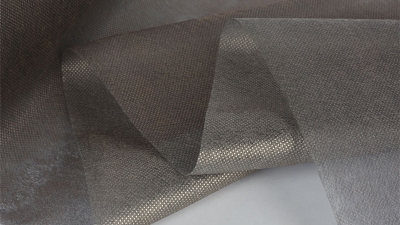
The rising importance of anti-static silver-coated conductive nonwoven fabric in the electronics industry is underscored by its impressive blend of properties and functionalities. This innovative material is crafted by applying a layer of nanosilver particles or thin silver films onto a nonwoven substrate, harnessing the inherent benefits of both silver and nonwoven fabrics. According to a recent report from Grand View Research, the global conductive textiles market is expected to reach $3.58 billion by 2025, driven by the demand for anti-static materials in electronics applications.
The unique characteristics of silver-coated nonwoven fabric, such as high conductivity, flexibility, and lightweight nature, make it an ideal choice for various electronic devices. It acts effectively as a shield against static electricity, which can cause severe damage to sensitive electronic components. Furthermore, silver’s antibacterial properties add an additional layer of advantage, making it suitable for applications in medical electronics and wearable tech. A study published in the Journal of Industrial Textiles highlights that the incorporation of conductive materials like silver nanoparticles can significantly enhance the durability and performance of electronic products.
As industries increasingly prioritize sustainability and efficiency, the versatility of silver-coated nonwoven fabric positions it as a highly valuable resource in the electronics sector. The material's ability to combine traditional fabric properties with advanced conductive capabilities paves the way for innovative applications, making it a focal point for research and development in smart textiles and electronic product design.
FAQS
: The demand for mixed anti-static fibers is driven by increasing awareness of workplace safety and the need for static control in various sectors, with the market expected to grow by 6.5% annually.
Manufacturers can implement sustainable practices by responsibly sourcing raw materials, utilizing biodegradable or recycled fibers, and investing in energy-efficient machinery, which can lead to significant reductions in energy consumption.
Tips for sustainable production include collaborating with eco-friendly suppliers, regularly upgrading equipment for energy efficiency, and educating staff on sustainable practices to foster a culture of responsibility.
The supply chain faces challenges such as raw material shortages, fluctuating demand, and inconsistencies in product quality and delivery timelines.
Companies can improve efficiency by establishing effective communication channels among stakeholders and implementing advanced inventory management systems to ensure a smoother flow from production to end-users.
SHIJIAZHUANG 3L TECHNOLOGY CO., LTD. leverages its expertise in high-performance technical textiles to provide innovative solutions, optimize supply chain processes, and enhance product consistency to meet dynamic market demands.
Sustainable practices not only comply with international standards but also attract environmentally-conscious consumers and can lead to lower production costs due to energy savings.
Investing in energy-efficient machines can lead to an estimated 30% reduction in energy consumption during production, contributing to lower operational costs and reduced carbon footprint.
Educating staff on sustainable practices is crucial for creating a culture of responsibility within the organization, which can lead to more effective implementation of sustainable methods in production.
The mixed anti-static fiber market is projected to grow by over 7% annually through 2025, indicating a significant expansion in demand and opportunities for manufacturers.