- Home
- Products
- News
- Application
- Solution
- About Us
- Contact Us
Leave Your Message
You know, as we look ahead, the textile industry is really gearing up for some big changes, especially when it comes to high-performance materials. A notable player in this space is pbo fiber Yarn—this stuff is making quite the splash because of its incredible thermal resistance and mechanical properties. By 2025, we’re expecting that this advanced fiber will be a major player across various sectors, fueling the demand for top-notch technical textiles that can handle the tough demands of today’s applications. The growth of Pbo Fiber Yarn isn’t just a win for material technology; it's also about pushing for more sustainable and smart manufacturing practices.
Here at SHIJIAZHUANG 3L TECHNOLOGY CO., LTD., we’ve been right in the thick of this change since 2009. Our passion for developing cutting-edge technical textiles has truly helped us stand out in the industry. By honing in on high-performance materials like Pbo Fiber Yarn, we’re always on the hunt for new ways to innovate and provide solutions that boost functionality across a wide range of global markets. In this blog, we’re excited to dive into the trends shaping the future of Pbo Fiber Yarn and chat about how these developments will influence different sectors by 2025. There’s a lot of potential for growth and advancement in technical textiles ahead!
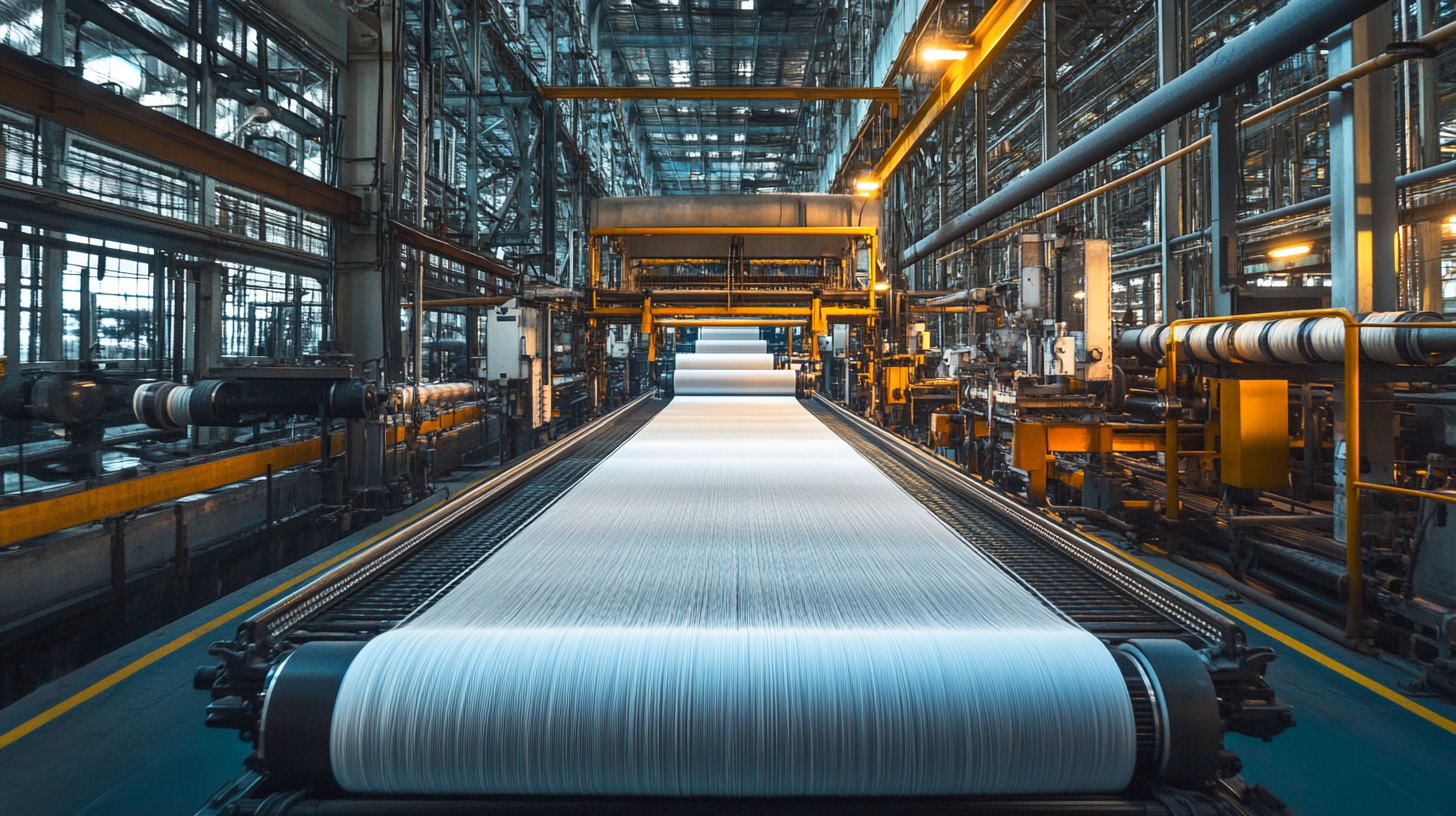
You know, the future of PBO fiber yarn in global markets is really heating up, thanks to some exciting innovations in production techniques that promise to boost both performance and functionality. Japan, in particular, is really leading the pack when it comes to high-performance fiber production. The country's chemical fiber industry is all about innovation, and that's playing a huge role in keeping them ahead of the game, especially with high-function fibers like PBO. These fibers are known for their awesome strength and thermal resistance, which is pretty cool. According to a report by the Global Fiber Market Analysis, demand for high-performance fibers—including PBO—is expected to grow at more than 6% annually by 2025. This rise is mostly because industries like aerospace, automotive, and protective clothing are on the lookout for materials that can meet tough performance standards. Researchers are really diving into new spinning techniques and surface modifications to step up the quality and efficiency of PBO yarn production. Plus, the developments in automated manufacturing and the use of AI and machine learning on production lines are shaking things up when it comes to making PBO Yarns. These tech wonders not only fine-tune fiber properties but also help cut down on waste, making production more sustainable. As the global market for advanced fibers keeps growing, it’s going to be crucial for manufacturers to harness these innovative techniques to stay competitive and meet changing consumer needs. Honestly, the push toward more sustainable and high-performance materials is probably going to change the game in the textiles industry over the next few years.
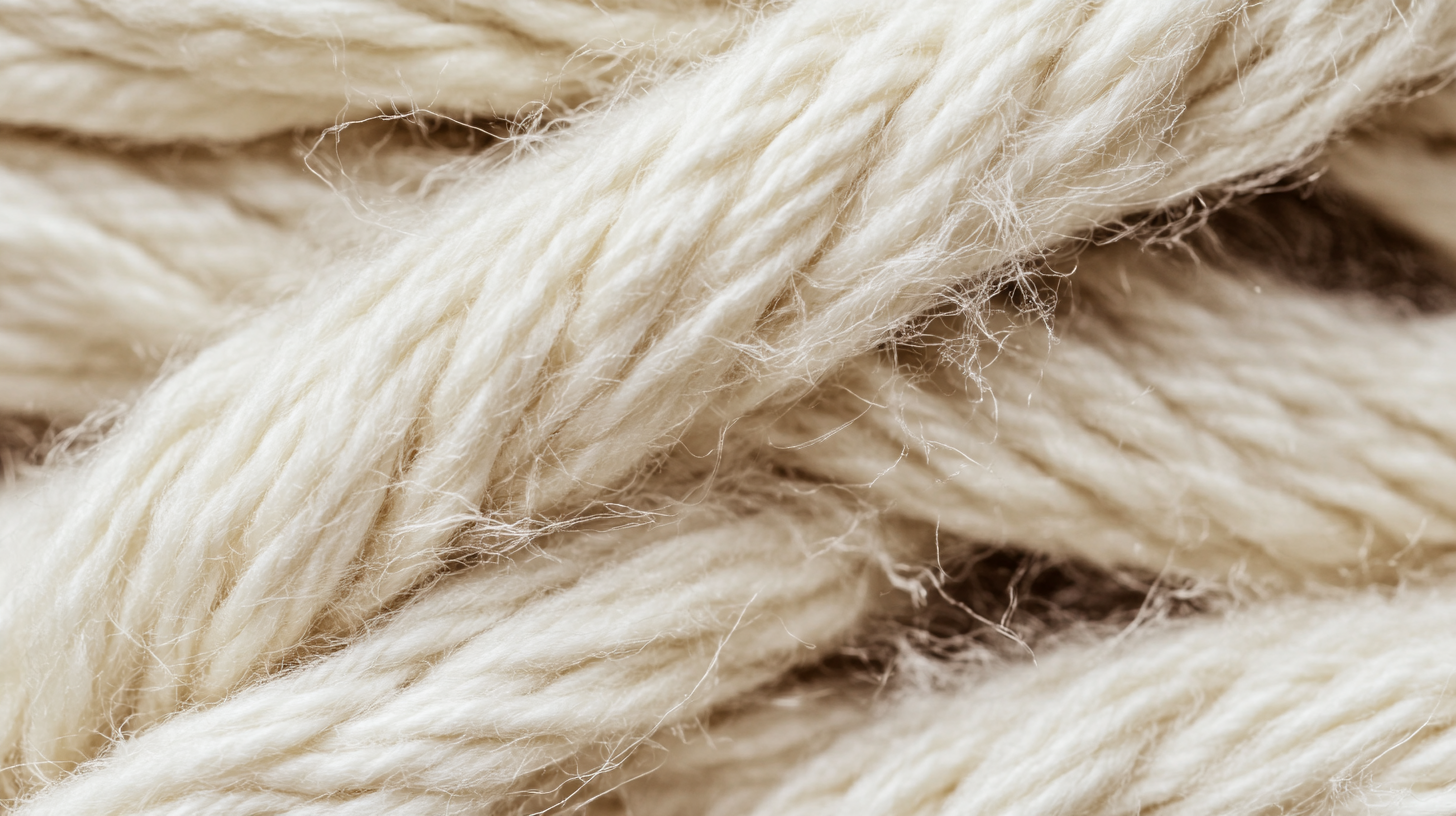
You know, the shift toward advanced materials is really changing the game for PBO fiber yarn—especially with forecasts showing some pretty significant growth coming up by 2025. If you’re not familiar, PBO fiber is renowned for its incredible strength and heat resistance, and it’s getting a lot of attention in big industries like aerospace, defense, and automotive. Reports suggest we could see the demand for high-performance fibers growing at about 7% a year in the next few years, all thanks to exciting innovations in tech and materials science.
One of the biggest players driving this demand is the aerospace sector. In that world, cutting down weight and ensuring heat protection are absolutely vital. That's where PBO fiber really shines—its lightweight nature and flames resistance make it a go-to option for high-performance stuff like fire-resistant clothes and those advanced composite materials used to build aircraft. And it doesn’t stop there; the automotive industry is also tapping into PBO fiber for its excellent heat stability and durability, which are key for parts that face extreme conditions.
Plus, we can't overlook the fresh advancements coming out of the Japanese chemical fibers industry, which have really boosted its edge in high-performance fibers. This ongoing stream of innovation is super important as manufacturers are working hard to level up PBO fiber’s abilities while also meeting the changing demands of industries that rely on these materials. With all the tech advancements and market needs in sync, it looks like PBO fiber yarn is on track for some exciting growth and expanding applications across various sectors by 2025.

You know, the PBO fiber yarn market is really on the brink of some exciting changes, all thanks to the growing emphasis on sustainability that's shifting the way manufacturing works. I came across this report by ResearchAndMarkets, and it suggests that by 2025, the global market for PBO fibers could hit around $230 million, which means it’s growing at about 7.3% each year. Pretty impressive, right? This shift shows just how much people are craving eco-friendly materials in different industries, pushing manufacturers to get creative with their sustainable practices.
One big thing driving change in PBO fiber yarn production is the move towards using bio-based materials and recycling methods. The Ellen MacArthur Foundation mentioned that if we really embrace circular economy practices—like recycling and upcycling performance fibers—we can actually cut down on our reliance on new materials by nearly 30% by 2025. And let's not forget, PBO fiber is super strong and heat-resistant, so sourcing it from sustainable materials really appeals to companies and consumers who are eco-conscious.
Plus, there are some pretty cool advancements in production technology that help save water and energy during manufacturing. A report from Allied Market Research says that by adopting these newer technologies, manufacturers can slash energy use in PBO fiber production by as much as 40%. That's a significant change! With more and more people aware of the environmental impacts of production, manufacturers who focus on these innovations are likely to stand out and get a leg up in the global PBO fiber yarn market by 2025.

You know, technology is really shaking things up in the world of PBO fiber yarn! It’s amazing to see how advancements are not just boosting production but also ramping up the quality. I mean, have you heard about the new spinning techniques and improved polymerization processes? They’re game changers! These innovations are making the fibers stronger, more durable, and even better at handling heat, which is super important for high-performance uses—everything from aerospace applications to personal protective gear.
And get this: smart tech is jumping into the mix too! With automation, IoT sensors, and all those cool real-time monitoring systems, manufacturers can keep a close eye on every batch of PBO fiber yarn they produce, making sure it meets those tough quality standards. This move towards precision really cuts down on product variability and guarantees reliable performance, which is crucial when you’re talking about things like fire-resistant clothing or military gear where failure is just not an option.
Plus, companies are really stepping up their game when it comes to being eco-friendly. They’re looking into innovative recycling processes and using bio-based raw materials, which not only helps the planet but also makes PBO fiber yarn more attractive in the global market. It’s pretty exciting to see how all of these technological advancements and sustainability efforts are paving the way for a future where PBO fibers are not just tougher and more dependable, but also friendly to our environment. Isn’t that great?
You know, the global market for PBO, which stands for polybenzoxazole fiber yarn, is really taking off these days. It’s become super important for people involved in the industry to get a grip on the competitive landscape that’s unfolding. The big players in this game aren’t just making cool new products; they’re also pushing the envelope with technology and manufacturing. It’s kind of a race out there, and you’ll see lots of strategic partnerships, mergers, and a serious commitment to sustainability—all pretty vital if they want to hold onto their piece of the pie in this fast-changing environment.
These leading companies are pouring a lot of money into R&D to amp up what PBO fiber yarn can do, like making it more durable and thermally resistant while also keeping it lightweight. Take, for example, the top manufacturers who are diving into composite materials and new applications that really take advantage of what PBO fiber offers. They’re looking at a bunch of markets, from aerospace to military and industrial uses. And it’s great to see this innovation come with a solid focus on sustainable production methods since consumers today really care about going green.
And here’s another thing: when we look at the competitive analysis, it’s clear that expanding into new geographic areas is a big part of the game plan. Companies are eyeing up emerging economies where the demand for high-performance materials is really heating up. By setting up shop in these regions, the big players not only save on logistics but also tap into local growth opportunities. As the PBO fiber yarn market keeps evolving, those who are quick on their feet in adapting to what the market needs and who invest smartly in tech and sustainability are likely to be the leaders of the pack by 2025.
You know, the market for PBO (Polybenzobisoxazole) fiber yarn is gearing up for some serious growth by 2025! But it's not all smooth sailing; there are quite a few regulatory hurdles that could steer things off course. A recent report from Market Research Future suggests that the global PBO fiber market could hit around $1.5 billion by 2025, thanks to its use in sectors like aerospace, military, and even sports. However, tackling the convoluted regulatory landscape is definitely a big challenge for everyone involved in the industry.
Regulations often come from the need to meet tough safety and environmental standards. Take Europe's REACH Regulation, for instance; it has some pretty strict testing and registration requirements for chemicals, including those that go into making PBO fibers. These compliance costs can really put a damper on smaller manufacturers looking to join the market, which can end up stifling innovation and competition. Plus, with regulations varying from one region to another, global trade gets a bit messy. It becomes super important for companies to keep up with any changes in legislation in key markets.
But on the bright side, these regulatory troubles might actually create opportunities for savvy businesses. Companies that turn towards sustainable production methods and eco-friendly materials—like what Technavio's report pointed out—could find themselves at a significant edge. By 2025, more businesses might come to see regulatory compliance not just as a hassle, but as a chance to stand out in the market and boost their brand’s reputation, especially as consumers are becoming more environmentally conscious.
You know, the recent breakthroughs in PBO (Polybenzoxazole) fiber yarn are really shaking things up across a bunch of industries, especially in aerospace, automotive, and even sportswear. This stuff is super strong and can take the heat like a champ, which is why both manufacturers and consumers are starting to really pay attention to it.
In the aerospace world, PBO fiber yarn is a game changer. Its lightweight yet durable nature makes it perfect for airplane parts. Plus, it can handle those crazy temperature changes you get up in the sky. As the aviation industry keeps pushing for better fuel efficiency and performance, you can bet that we're going to see a lot more PBO yarn in production. After all, modern aircraft need to face those tough high-altitude conditions.
But it doesn't stop there! The automotive sector is getting quite the boost from PBO fiber yarn, too. With the move towards electric vehicles and a big focus on using lighter materials for better energy efficiency, PBO yarn fits the bill perfectly. It helps cut down on weight without skimping on strength or safety, which is crucial. You’ll find it being used in everything from tires to engine parts and even in the upholstery of cars. That’s likely to bump up vehicle performance, longevity, and comfort—pretty much aligning with what everyone is looking for today in sustainable, high-performing cars.
And let’s not forget about the sportswear scene! It’s super exciting to see more and more PBO fiber yarn making its way into performance apparel. Athletes and outdoor lovers are always on the hunt for gear that can brave extreme conditions but still feel comfy and last long. PBO fibers are perfect because they manage moisture and keep you warm when needed. As brands keep pushing the envelope with cool materials to stand out, PBO yarn is definitely on the rise in activewear, solidifying its future in that space.
Hey there! So, it looks like the global market for PBO fiber yarn is really set to change quite a bit by 2025. You might be wondering what’s driving all this, right? Well, one big factor is the growing demand for high-performance materials across all sorts of industries like aerospace, automotive, and even protective clothing. As these sectors look to boost the durability and safety of their products, we’re likely going to see a huge uptick in the use of PBO fiber yarn. It’s known for its impressive strength and thermal resistance, which makes it a go-to choice for manufacturers.
But that’s not all. The costs of raw materials are kind of a wild card in the PBO market. You know, the prices of those chemical precursors used to make PBO fibers can bounce around a lot, thanks to things like geopolitical tensions and trade policies. And when those costs shift, manufacturers feel the pinch, affecting how they price their PBO fiber yarn products. To stay competitive, companies are going to have to get creative and look for alternative sourcing options to keep their supply chains steady.
Oh, and here’s another thing to keep an eye on: government policies pushing for sustainable practices and eco-friendly materials are expected to shake things up in the PBO fiber yarn world, too. With regulations getting stricter on environmental standards, manufacturers might start moving towards greener production methods. It’s all about keeping up with the growing consumer demand for sustainable goods. This could change not just how things are made but also how companies compete against each other. Those focusing on the eco-friendly aspects of their products might just be the ones to win over those environmentally conscious shoppers. All in all, it looks like the economic landscape will really shape where PBO fiber yarn stands in global markets down the road.
The key trends include a shift towards bio-based materials, recycling processes, and advancements in production technology that reduce water and energy consumption.
The global market for PBO fibers is expected to reach $230 million by 2025, reflecting a growth rate of approximately 7.3% annually.
Circular economy practices, such as recycling and upcycling, can reduce dependency on virgin materials by nearly 30% by 2025, promoting sustainability in PBO fiber production.
Technological advancements enhance production efficiency and improve strength, durability, and thermal stability of PBO fibers, ensuring high-quality performance in critical applications.
Smart technology, including automation, IoT sensors, and real-time monitoring systems, is used to ensure that each batch of PBO fiber yarn meets stringent quality standards.
The market faces challenges such as stringent safety and environmental standards, including the REACH Regulation in Europe, which imposes costly testing and registration requirements.
Companies that navigate regulatory challenges and invest in sustainable production methods can gain a competitive advantage and enhance their brand reputation in the market.
The global PBO fiber market is projected to reach USD 1.5 billion by 2025, driven by applications in aerospace, military, and sports sectors.
The rising demand prompts manufacturers to innovate and adopt sustainable practices, making the production of PBO fibers more environmentally friendly.
These advancements not only improve the strength and reliability of PBO fibers but also align with the growing consumer demand for eco-friendly products, ensuring relevance in the market.