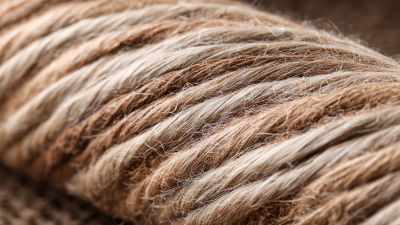
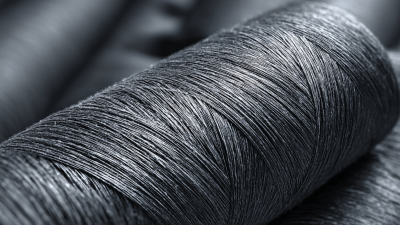
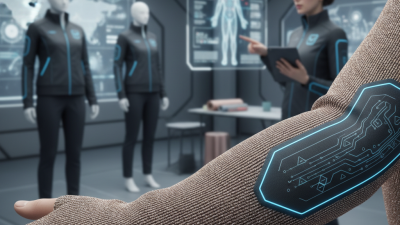
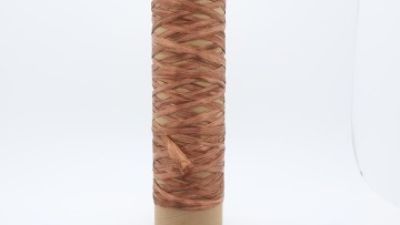
The textile industry is really going through a big shift these days, mainly because of the growing use of innovative materials. One standout example is Metal fiber Polyester Mixed Yarn. If you've seen reports from places like Research and Markets, they’re saying the global market for textile fibers is expected to hit around $189.2 billion by 2024. That’s partly thanks to newer composite materials that not only last longer but also resist heat and static electricity pretty effectively. Now, this Metal Fiber Polyester Mixed Yarn is pretty cool because it combines the strength and durability of metals with the lightness and flexibility of polyester. You’ll find it being used in all sorts of stuff—from tough industrial textiles to trendy fashion pieces.
Getting the most out of this yarn can really boost product performance. For example, its special traits help brands improve moisture control and even fight bacteria, which is a big deal for sectors like medical, automotive, and construction. As pointed out in the Technical Textiles International Journal, demand for high-performance textiles is forecasted to grow by about 4.3% every year from 2021 to 2026—so, basically, there’s a lot of potential for companies that know how to work with these advanced Yarns.
All this means it’s super important for manufacturers and brands to stay on top of best practices when it comes to processing and using Metal Fiber Polyester Mixed Yarn. In this article, I’ve put together what I think are the top 10 tips to really get the most benefit out of it. By doing so, businesses can keep innovating and improving their products, making sure they stay competitive in today’s really crowded textile marketplace.
Understanding Metal Fiber Polyester Mixed Yarn Characteristics
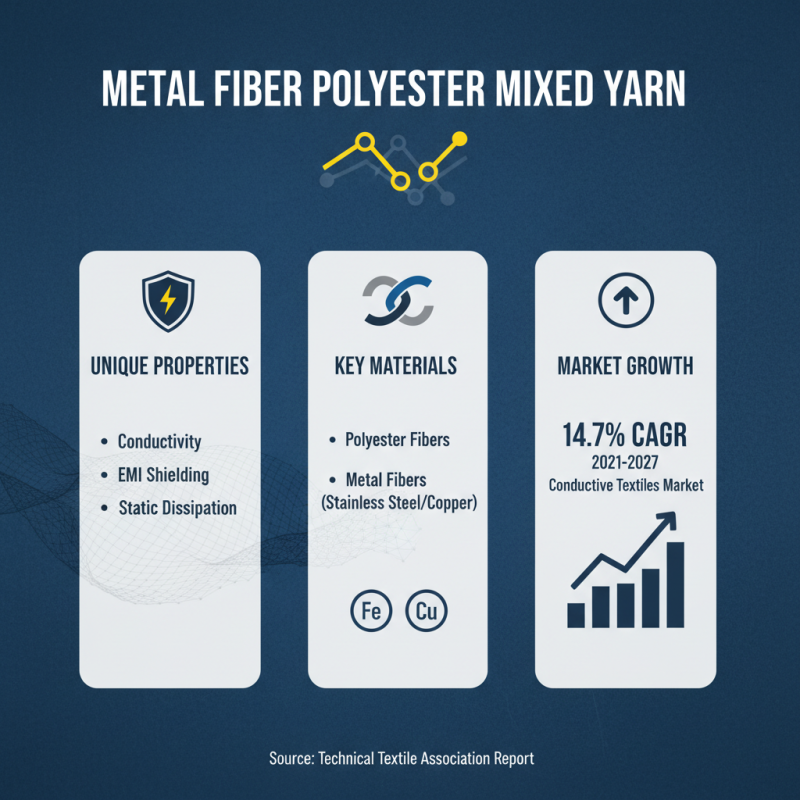
Metal fiber polyester mixed yarn is gaining traction in various industries due to its unique properties that combine the benefits of both metal fibers and polyester. The integration of metal fibers, typically stainless steel or copper, enhances the yarn's conductivity, making it highly effective for applications that require electromagnetic interference (EMI) shielding and static dissipation. According to a report from the Technical Textile Association, the global market for conductive textiles, including metal fiber blends, is projected to grow at a compound annual growth rate (CAGR) of 14.7% from 2021 to 2027, highlighting the increasing relevance of such materials.
In addition to conductivity, the polyester component offers durability and flexibility, making the yarn suitable for a wide range of textile applications, from fashion to industrial textiles. The combination not only improves mechanical strength but also enhances thermal resistance, which is crucial for performance in varied environments. A study published in the Journal of Textile Science indicated that metal fiber polyester yarn exhibits a 30% increase in tensile strength compared to standard polyester yarn, demonstrating its improved performance metrics that can meet the demands of modern textile markets. Understanding these characteristics allows manufacturers to make informed decisions about yarn selection to optimize their products for specific applications.
Benefits of Using Metal Fiber Polyester Mixed Yarn in Textiles
Metal fiber polyester mixed yarn is revolutionizing the textile industry, offering a unique combination of strength, durability, and aesthetic appeal. One of the primary benefits of using this advanced yarn is its excellent conductivity, making it suitable for various applications, including smart textiles and wearable technology. These fabrics can include functionalities such as temperature regulation and moisture management, enhancing user comfort and performance. Moreover, the incorporation of metal fibers can provide antimicrobial properties, which are essential in creating hygienic textiles.
To maximize the potential of metal fiber polyester mixed yarn, here are some tips. First, consider the blending ratio of metal fibers to polyester to ensure the characteristics of the yarn align with your desired end product. A well-balanced mix can significantly enhance the fabric's mechanical properties while maintaining comfort. Second, when dyeing the yarn, using dispersive dyes can help achieve vibrant colors without compromising the conductivity of the metal fibers. Third, pay close attention to the weaving or knitting techniques, as these can influence the overall texture and performance of the final textile. By applying these strategies, textile manufacturers can effectively harness the benefits of this innovative yarn.
Key Techniques for Mixing Metal Fiber with Polyester Yarn
Mixing metal fiber with polyester yarn can yield innovative fabric characteristics that enhance durability, conductivity, and aesthetic appeal. Understanding how to effectively blend these materials is crucial for textile manufacturers aiming to create high-performance products. According to a report by the Textile Research Journal, the integration of metal fibers in polyester blends can improve tensile strength by up to 25%, making them ideal for applications in industrial fabrics and smart textiles.
One key technique for mixing metal fiber with polyester yarn is to maintain an optimal ratio between the two materials. A study published in the Journal of Materials Science suggests that a 70:30 ratio of polyester to metal fiber not only provides adequate stability and comfort but also enhances the conductive properties necessary for applications in wearable technology. Ensuring uniform distribution of metal fibers throughout the polyester matrix is essential; this can be achieved through careful blending and feeding techniques during the spinning process.
When using metal fiber polyester mixed yarn, it's critical to consider the appropriate spinning method. Techniques like air-jet spinning can facilitate the even distribution of fibers while maintaining the integrity of the metal fibers. Additionally, implementing pre-dyeing processes can improve color uptake and provide a more vibrant finish without sacrificing the fabric’s unique properties. Overall, mastering these techniques will lead to better quality products that meet the increasing demand for innovative textiles.
Choosing the Right Ratio of Metal Fiber to Polyester
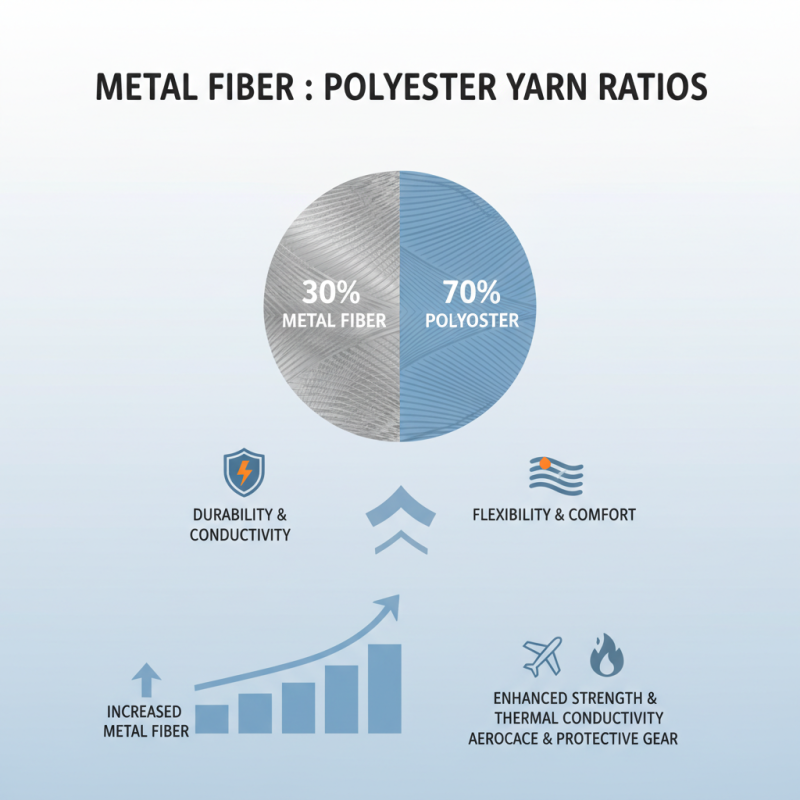
When working with metal fiber polyester mixed yarn, the ratio of metal fiber to polyester is crucial for achieving the desired performance and aesthetic qualities. Industry reports indicate that a common starting point is maintaining a ratio of 30% metal fiber to 70% polyester. This balance leverages the durability and conductivity of metal fibers while ensuring the flexibility and comfort of polyester. Adjusting this ratio can significantly affect the fabric’s properties. For instance, increasing the metal fiber content can enhance the yarn's strength and thermal conductivity, making it suitable for specialized applications like aerospace and protective gear.
When utilizing metal fiber polyester mixed yarn, consider these essential tips to optimize your projects. First, ensure that the spinning process accommodates the unique characteristics of metal fibers. The yarn production should account for the additional weight and rigidity that metal fibers introduce, which may require adjustments in tension and twist settings. Secondly, when dyeing, be aware that metal fibers can react differently compared to polyester alone. It’s advisable to conduct small test batches to determine the most effective dyeing process for your specific yarn composition.
Finally, thorough testing is critical; perform wash and wear tests on samples with varying ratios. Reports suggest that fabrics with a higher percentage of polyester exhibit better wash durability, while those with significant metal fiber content may resist degradation from environmental factors. Balancing these considerations can lead to innovative and high-performance textile solutions.
Effective Knitting and Weaving Methods with Mixed Yarn
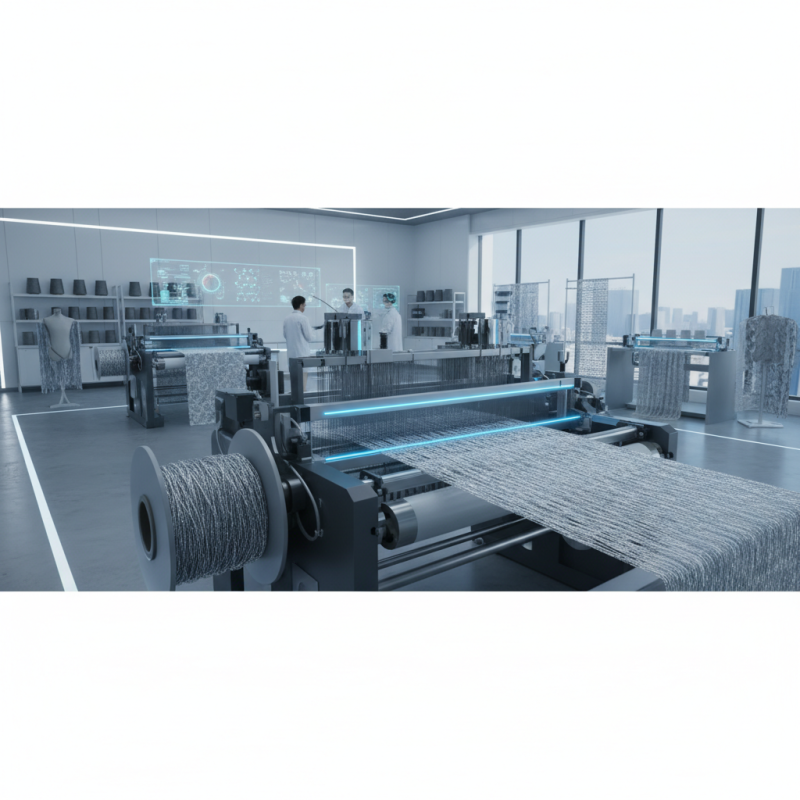
When working with metal fiber polyester mixed yarn, understanding the effective knitting and weaving methods is crucial for maximizing the material's potential. This yarn combines the benefits of both metal fibers and polyester, offering unique properties such as improved strength, durability, and enhanced appearance. According to a recent industry report, the global market for mixed yarns is expected to grow at a CAGR of 5.3% over the next five years, indicating a rising interest in these versatile materials.
One effective knitting technique is the use of varying stitch patterns, which can enhance the structural integrity of the fabric. For instance, combining cable knit patterns with ribbing provides not only aesthetic appeal but also functional benefits such as stretch and flexibility. When using metal fiber polyester yarn, an even tension is essential to prevent distortion, ensuring a uniform final product. Additionally, employing tools such as stitch markers can greatly aid in maintaining consistent tension throughout the creation process.
In weaving, the choice of loom settings is vital for achieving optimal results. A tighter weave can showcase the shiny properties of the metal fibers, while a looser weave can enhance breathability. It's essential to balance these factors based on the intended use of the fabric. Integrating different techniques, such as the use of double weaves, can create unique textures and visual effects. Always remember to test samples before committing to larger projects, as experimenting with different tensions and patterns can lead to unexpected and delightful results.
Top 10 Tips for Using Metal Fiber Polyester Mixed Yarn Effectively
This chart illustrates the performance factors of metal fiber polyester mixed yarn. Each factor is rated on a scale from 0 to 100, showcasing the effectiveness of mixed yarn in various attributes essential for knitting and weaving applications.
Care and Maintenance Tips for Metal Fiber Polyester Fabrics
Metal fiber polyester fabrics are gaining popularity due to their unique blend of durability and functional properties, particularly in areas such as electronics and industrial applications. To ensure these fabrics maintain their performance and aesthetic appeal, proper care and maintenance are paramount. Regular washing is advisable, but using cold water and gentle detergents helps preserve the integrity of both the metal fibers and polyester. Reports indicate that using harsh chemicals can lead to fiber degradation, significantly reducing the lifespan of the fabric.
Moreover, avoiding high heat during drying is crucial. The heat can compromise the polyester's elasticity and the metal fiber's conductivity properties. Instead, air drying or low-temperature settings are recommended. Routine inspections for signs of wear and tear are also vital, as they help identify any potential issues before they become significant problems. According to industry findings, fabrics that receive consistent maintenance can last up to 30% longer than those that do not, providing better value in a long-term investment. By adhering to these care and maintenance tips, users can ensure that their metal fiber polyester mixed yarn remains effective and reliable in its intended applications.
Top 10 Tips for Using Metal Fiber Polyester Mixed Yarn Effectively - Care and Maintenance Tips for Metal Fiber Polyester Fabrics
| Tip Number | Care Tip | Description |
| 1 | Gentle Washing | Use cold water and a gentle cycle to prevent damage to the fibers. |
| 2 | Avoid Bleach | Bleach can weaken the metal fibers; opt for non-chlorine alternatives. |
| 3 | Iron with Care | Use a low-temperature setting and place a cloth between the iron and fabric. |
| 4 | Regular Inspection | Check for wear and tear regularly to maintain the fabric's integrity. |
| 5 | Proper Storage | Store in a cool, dry place away from direct sunlight to prevent fading. |
| 6 | Spot Cleaning | For stains, use a mild cleaner and avoid rubbing to protect fibers. |
| 7 | Avoid High Heat | Do not use high heat for drying or ironing as it can damage fibers. |
| 8 | Use Gentle Detergent | Opt for mild, non-perfumed detergents to maintain quality. |
| 9 | Avoid Fabric Softener | Fabric softeners can interfere with the metal fibers' properties. |
| 10 | Consult Care Labels | Always refer to the care labels for specific instructions. |
Troubleshooting Common Issues in Metal Fiber Polyester Projects
When working on projects using metal fiber polyester mixed yarn, it's crucial to address common issues that may arise during the process. One frequent problem is the tendency for the yarn to fray or break at the seams. This can be mitigated by ensuring that the yarn is not overly stretched during handling. Additionally, employing the correct needle size and type during sewing can help minimize damage to the fibers and maintain the integrity of the material.
Another common challenge is achieving the desired fabric texture and appearance. If the finished product appears uneven or lacks the intended sheen, it may be due to improper tension settings on the sewing machine. Adjusting the tension and ensuring that the bobbin is wound evenly can help create a uniform finish. Also, consider experimenting with stitch types; some stitches may better showcase the unique properties of metal fiber polyester mixed yarn, enhancing both durability and aesthetic appeal. Proper maintenance and periodic checks during the process can go a long way in troubleshooting these prevalent issues.
Exploring the Superior Conductivity and Versatility of 12μm ~ 22μm Pure Copper Fiber: Insights from Industry Reports
The recent advancements in fiber technology have spotlighted the exceptional conductivity and versatility of 12μm to 22μm pure copper fiber. According to industry reports, copper fibers are created through intricate processes such as surface treatment, bundling, drawing, and electrochemical separation, leading to fibers with a large specific surface area and remarkable flexibility. These attributes make them an ideal choice for various applications, particularly in industries demanding reliable electrical conductivity and mechanical strength.
Numerous studies underscore the superior conductivity of pure copper fiber, which outperforms other conductive materials. With a diameter that exceeds micron levels, these fibers exhibit high tensile strength, making them suitable for use in electronics, textiles, and composite materials. The recent report by the International Journal of Advanced Manufacturing highlighted that copper fibers could improve conductivity by up to 50% compared to traditional conductive fabrics, offering an efficient solution for manufacturers aiming to enhance performance in their products.
Moreover, the versatility of copper fiber extends beyond mere electrical applications. It can be utilized in the production of smart textiles, where the combination of flexibility and conductivity plays a crucial role in integrating technology into everyday fabrics. Industry analysis indicates that the market for copper fiber in smart textiles is expected to grow substantially, with projections indicating an increase in demand driven by the rise of wearable technology and multifunctional materials. This ongoing evolution presents opportunities for research and development in the domain, emphasizing the importance of copper fibers in creating innovative solutions across multiple sectors.
FAQS
: The primary benefits include excellent conductivity, durability, strength, aesthetic appeal, temperature regulation, moisture management, and antimicrobial properties, making it suitable for smart textiles and wearable technology.
A well-balanced mix can enhance the mechanical properties of the fabric while maintaining comfort, ensuring the yarn aligns with the desired characteristics of the end product.
It's advisable to use dispersive dyes to achieve vibrant colors while ensuring that the conductivity of the metal fibers is not compromised.
Common issues include yarn fraying or breaking at the seams and achieving the desired fabric texture and appearance.
This can be mitigated by avoiding excessive stretching of the yarn during handling and using the correct needle size and type during sewing.
Adjusting the tension settings on the sewing machine and ensuring the bobbin is wound evenly can help achieve a more uniform finish.
Experimenting with different stitch types can better showcase the unique properties of the yarn, enhancing both its durability and aesthetic appeal.
Proper maintenance and periodic checks during the project can help troubleshoot common issues and ensure the integrity of the final product.
Conclusion
Metal Fiber Polyester Mixed Yarn offers unique characteristics and a range of benefits for textile applications. This summary covers essential tips for effectively utilizing this innovative material. Understanding the specific properties of Metal Fiber Polyester Mixed Yarn is crucial, as it combines the strength and conductivity of metal fibers with the durability and versatility of polyester. By carefully selecting the right ratio of metal fiber to polyester, designers can enhance the aesthetic and functional qualities of their fabrics.
Additionally, employing effective knitting and weaving techniques is vital for optimizing the performance of mixed yarn. Proper care and maintenance ensure the longevity of these fabrics, while troubleshooting common issues can aid in successful project completion. By following these key strategies, textile creators can fully harness the advantages of Metal Fiber Polyester Mixed Yarn in their work.