You know, in the ever-changing world of Textiles, it seems like buyers are really starting to get interested in more innovative materials. One that’s been catching attention lately is Metal Fiber Non-Woven Fabric. Honestly, it’s pretty cool because it combines cutting-edge tech with some practical perks, making it a pretty versatile choice for all sorts of uses. Companies like Conductive Compounds, Inc. are really leading the way here, showing just how important this material is becoming.
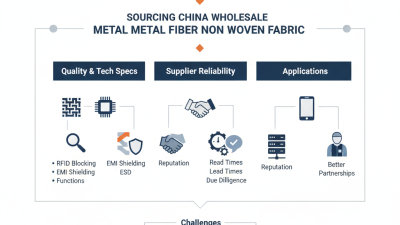
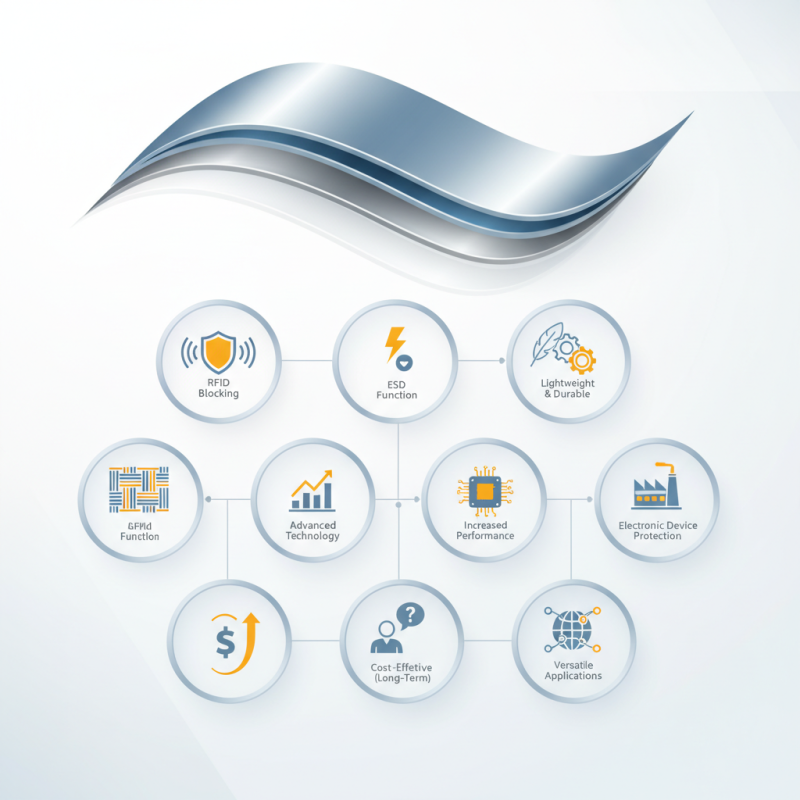
What’s great about Metal Fiber Non-Woven Fabric is that it offers quite a few advantages. For example, it has this neat ability to be RFID Blocking—so, it functions as a non-woven conductive fabric with ESD features, which is super important for protecting electronic devices from unwanted electrical interference. Plus, it’s lightweight yet tough, so it fits into different industry needs without much hassle. That said, switching over to this kind of tech might be a bit tricky for some companies—they’ll need to figure out how it best fits into their projects.
All in all, the benefits do sound pretty appealing, but it’s also important for buyers to really look at what their specific needs are. Understanding how best to use Metal Fiber Non-Woven Fabric is key. Companies should spend some time learning about its properties and how it could impact their products. At the end of the day, it’s not just about grabbing this fabric — it’s about making smarter, informed choices.
Overview of Metal Fiber Non Woven Fabric
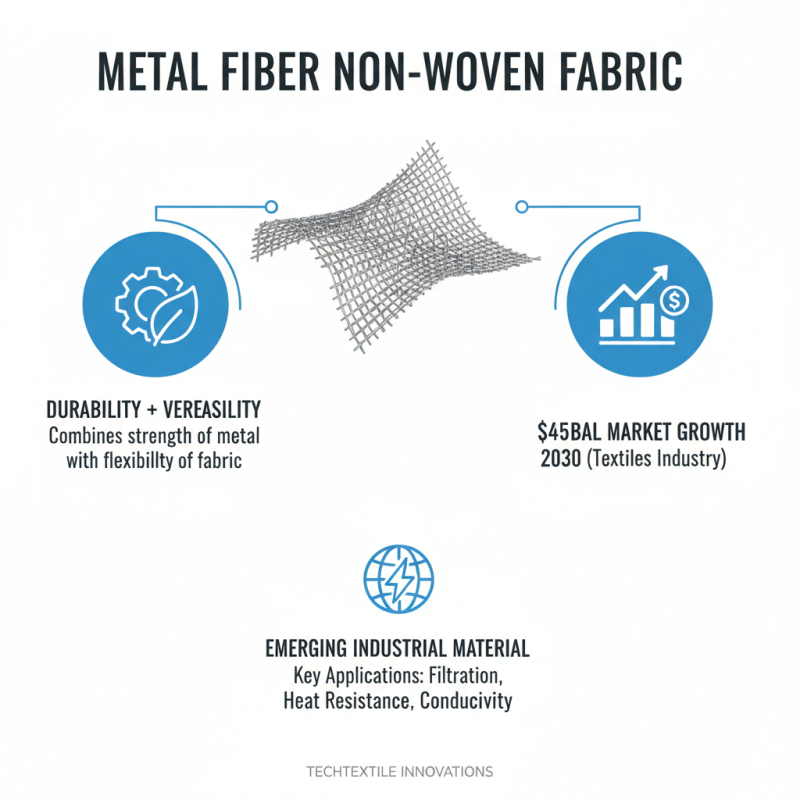
Metal fiber non woven fabric has emerged as a significant material in various industries. This fabric combines the durability of metal fibers with the versatility of non woven technology. Reports suggest that the global non woven fabric market is expected to reach over $45 billion by 2030, highlighting its growing importance in textiles.
The performance of metal fiber non woven fabrics is remarkable. They provide excellent thermal conductivity, making them ideal for applications requiring temperature regulation. Studies indicate that these fabrics can withstand high temperatures while maintaining structural integrity. Additionally, their lightweight nature helps reduce transportation costs and energy consumption during production.
Metal fiber non woven fabrics also enhance electromagnetic interference (EMI) shielding. Research shows that this characteristic can reduce EMI radiation by over 80%. Industries such as automotive and electronics greatly benefit from this feature. However, the challenge remains in balancing cost-efficiency and performance. Buyers must weigh these factors carefully to ensure they make the best decisions for their specific needs.
Durability and Strength Characteristics of Metal Fiber Fabrics
Metal fiber non-woven fabrics offer remarkable durability and strength characteristics, making them a preferred choice in various applications. These fabrics are not only resistant to wear but also have a high tensile strength. They withstand extreme conditions like high temperatures and corrosive environments, which makes them suitable for industrial applications. The integration of metal fibers provides an additional layer of resilience.
In addition to their impressive durability, these fabrics exhibit excellent dimensional stability. This means they maintain their shape and size over time, even when subjected to stress. However, potential users should be cautious about the specific requirements of each project. Not all metal fiber fabrics are created equal. The choice of fiber type, thickness, and density can alter their performance. Understanding these factors is crucial for optimizing their use.
Moreover, the installation of metal fiber non-woven fabrics can sometimes be challenging. They may require specialized techniques or tools for proper handling. This complexity shouldn't deter buyers but instead, encourage meticulous planning. A well-thought-out approach can maximize the effectiveness of these fabrics while minimizing potential pitfalls.
Applications of Metal Fiber Non Woven Fabric in Various Industries
Metal fiber non woven fabric has unique applications across various industries. Its durability and strength make it ideal for automotive and aerospace sectors. Manufacturers rely on this material for heat shields and barrier fabrics. These components improve safety and efficiency in high-performance environments. Additionally, its resistance to high temperatures is crucial for industrial heating elements.
In the electronics industry, metal fiber non woven fabrics play a vital role. They are used for electromagnetic shielding, safeguarding sensitive components from interference. This application has proven beneficial for manufacturers striving for high reliability in their products. Hospitals have also begun employing this fabric for protective clothing, enhancing the safety of medical personnel.
However, there are challenges in sourcing quality metal fiber non woven fabric. Buyers must be cautious when choosing suppliers. Supply chain issues can lead to inconsistencies in quality. While exploring options like Spunbond Non Woven Fabric Wholesale Custom Spunlace Non-Woven Fabric can yield better results, careful consideration is necessary. Understanding the specific needs of each application remains essential for achieving optimal outcomes.
Benefits of Metal Fiber for Thermal and Electrical Conductivity
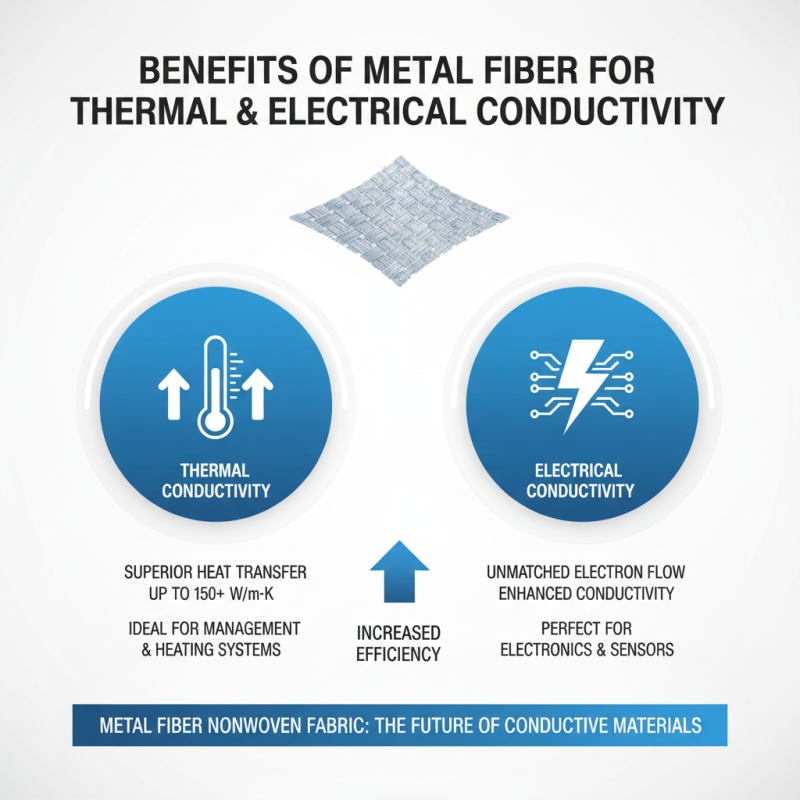
Metal fiber non woven fabric offers superior thermal and electrical conductivity unmatched by traditional materials. This unique fabric composition includes metal fibers that enhance conductivity, making it ideal for applications in electronics and heating systems. According to industry reports, the thermal conductivity of metal fiber composites can reach values above 150 W/m·K, significantly improving efficiency in thermal management solutions.
It is essential to recognize the balance between performance and costs. While metal fiber non woven fabric provides impressive conductive properties, it may have a higher price point compared to standard fabrics. Buyers should carefully evaluate their specific needs and budgets before making a decision.
Tips: When choosing a fabric, consider its long-term benefits. Investing in high-quality metal fiber can lead to improved operational efficiency. Additionally, exploring options like Anti Static and Anti Pull PP Spunbond Non Woven Fabric SMS Non Woven Fabric in Hospital settings can further enhance safety and comfort. Always stay informed about the latest trends in material technology, as this field continues to evolve rapidly.
Environmental Sustainability of Metal Fiber Non Woven Fabrics
Metal fiber non-woven fabrics play a crucial role in promoting environmental sustainability. These materials are made from recycled metals and are highly durable. According to a recent report by the Global Textile Alliance, the recycling rates for metal fibers can reach up to 90%. This significant reduction in waste transforms them into a more sustainable choice compared to traditional fabrics.
In addition to their recyclability, metal fiber non-woven fabrics contribute to energy savings. A study from the International Energy Agency highlights that using these fabrics in manufacturing can lower energy consumption by 35%. The lightweight nature of the materials also reduces transportation emissions. However, it is vital to ensure that the production processes adhere to environmental standards, as some methods may still release harmful pollutants.
Despite these benefits, there are challenges in widespread adoption. The initial cost of metal fiber non-woven fabrics can be higher than conventional options. This creates a barrier for many potential buyers. It’s essential for buyers to weigh the long-term benefits against short-term costs. Continued research and development in this area could help improve affordability, making these sustainable options more accessible.
Cost-Effectiveness of Metal Fiber Non Woven Fabric for Buyers
Metal fiber non-woven fabrics have captured attention for their versatility and cost-effectiveness. Buyers often appreciate how these materials balance quality and expense. The manufacturing process for these fabrics allows for significant savings without compromising performance. In industries where durability and longevity are crucial, metal fiber fabrics outlast many alternatives available in the market.
When evaluating cost-effectiveness, consider the initial investment versus long-term benefits. These fabrics typically require less frequent replacement, which can lead to substantial savings over time. Additionally, they are lightweight, which can reduce shipping costs and overall handling expenses. This aspect becomes increasingly important in a competitive market where every penny counts.
Tips: Always analyze your specific needs before making a bulk purchase. Review the material properties to ensure they align with your requirements. Look for quotations from multiple suppliers to get the best deal. Don't forget that Disposable Non-Woven Fabric Antistatic Waterproof Laminated Spunbonded Non Woven Fabric may offer complementary characteristics that enhance overall performance in certain applications. Investing smartly means not just focusing on the upfront cost but also considering the total lifecycle expense.
Future Trends in Metal Fiber Non Woven Fabric Technology
Metal fiber non woven fabric technology is making significant strides. The demand for lightweight yet durable materials has pushed innovations to the forefront. These fabrics offer remarkable conductivity and thermal management. As industries seek to improve performance, metal fiber fabrics are increasingly favored.
Future trends indicate a rise in automation for production processes. This shift could lead to better quality control and quicker turnaround times. Manufacturers are exploring advanced applications like smart textiles. Innovations in fibers, including the integration of Viscose Spunlace Non-Woven Non Woven Fabric Price Baby Diaper Parallel elements, enhance flexibility and comfort.
However, challenges remain. Sustainability is a pressing concern. The balance between performance and eco-friendliness needs attention. It's crucial for manufacturers to rethink their sourcing and waste management. Exploring recycled materials and biodegradable options will be key in the coming years. While progress is exciting, the industry must reflect on its environmental impact. Building a sustainable future is essential for success.
Top 10 Benefits of Metal Fiber Non Woven Fabric for Buyers - Future Trends in Metal Fiber Non Woven Fabric Technology
| Benefit | Description | Future Trends |
| Lightweight | Made from metal fibers, these fabrics are lighter than traditional materials. | Increased demand in automotive and aerospace industries for reducing weight. |
| Durability | Resistant to high temperatures and wear, enhancing longevity. | New advancements to further improve resilience against harsh environments. |
| Electrical Conductivity | Provides excellent electrical conductivity for various applications. | Integration with smart technologies for improved functionality. |
| Eco-Friendly | Recyclable materials contribute to sustainability. | Growing emphasis on circular economy practices in manufacturing. |
| Versatility | Can be used in a variety of applications across industries. | Expansion into new markets such as healthcare and construction. |
| Fire Resistance | Inherently fire-resistant properties enhance safety. | Regulations leading to increased use in fire-prone areas. |
| Maintenance-Free | Low maintenance required due to durable nature. | Emerging products focused on user-friendliness and minimal upkeep. |
| Cost-Effective | Long lifespan reduces overall cost of ownership. | Technological improvements expected to drive prices down. |
| Aesthetic Appeal | Modern look suitable for various design applications. | Increased focus on design innovation and customization options. |
| Sound Absorption | Effective sound-absorbing properties for quieter environments. | Developments aimed at enhancing acoustic performance in urban areas. |
Innovative Applications and Benefits of Double Faced Fire Resistant Conductive Fabric in Modern Industries
Double faced fire resistant conductive fabric is revolutionizing the way industries approach safety and performance in high-risk environments. Composed of advanced materials like aramid, silver fiber, and steel fiber, this innovative fabric not only offers exceptional fire resistance but also boasts impressive conductivity. Its design meets the rigorous standards set forth by IEC 60895, making it an ideal choice for high-voltage personal protective equipment (PPE). The fabric's unique combination of properties ensures low electrical resistance and high shielding performance, essential for protecting workers from hazardous electrical arcs.
Moreover, the versatility of this fabric extends beyond mere protection. Its anti-radiation capabilities are integral in industries that require shielding from electromagnetic interference. The breathable nature of the fabric enhances comfort during use, allowing workers to maintain productivity without compromising safety. Additionally, its washable feature ensures longevity and compliance with hygiene standards, making it a practical option for ongoing use in various industrial settings. As industries continue to prioritize worker safety and operational efficiency, the applications of double faced fire resistant conductive fabric are set to expand, paving the way for a safer and more reliable working environment.
FAQS
: They are known for their durability and high tensile strength, making them ideal for various applications.
They withstand both high temperatures and corrosive environments, making them suitable for industrial use.
Yes, they exhibit excellent dimensional stability, retaining shape and size under stress.
No, their performance varies based on fiber type, thickness, and density, which must be considered.
No, it can be challenging and may require specialized techniques or tools for proper handling.
Yes, they are made from recycled metals and can reduce waste significantly, promoting sustainability.
Manufacturing with metal fiber fabrics can lower energy consumption by up to 35%.
The upfront cost is often higher than conventional fabrics, which may deter some potential buyers.
They should consider long-term savings through durability and lighter shipping costs against initial investments.
Analyze specific needs, review material properties, and seek quotations from multiple suppliers for the best deal.
Conclusion
Metal Fiber Non Woven Fabric is an innovative material that offers numerous advantages across various industries. Known for its durability and strength, this fabric exhibits exceptional performance in demanding applications, making it a preferred choice in sectors such as automotive, aerospace, and textiles. One of the standout features is its superior thermal and electrical conductivity, which enhances its utility in specialized applications.
Moreover, the environmental sustainability of Metal Fiber Non Woven Fabric is a key consideration, as it is often produced with eco-friendly processes and contributes to reducing waste. Buyers also appreciate the cost-effectiveness of this material, as it balances initial investment with long-term performance benefits. As technology advances, future trends are likely to introduce even more innovative applications and improvements in Metal Fiber Non Woven Fabric, solidifying its place as a vital component in modern manufacturing and design.