Lately, there's been a real surge in the demand for high-tech materials across different industries, and Pbo Steel Rope has been right at the forefront of innovative engineering solutions. It’s such a versatile material—known for its incredible strength relative to its weight and whopping thermal stability—that it’s quickly making a name for itself in areas like construction, aerospace, and marine work. I read somewhere that, according to Research and Markets, the global market for top-tier ropes, including Pbo Steel Rope, is expected to grow at about 5.6% annually from 2021 to 2026. That just shows how much companies are leaning on these tough, reliable materials for their more complex projects.
What really sets Pbo Steel Rope apart are its unique properties—stuff like resisting super high temperatures and not breaking down in chemicals. That makes it perfect for everything from lifting heavy loads and rigging to safety gear and even sports equipment. Because of its versatility, it easily meets tough industry standards, which is a big deal when you're working under demanding conditions. Plus, with new Manufacturing tech coming into play, access to Pbo Steel Rope has gotten easier, so more folks can use it for a variety of projects. Anyway, getting to know the main ways Pbo Steel Rope is used can really help improve project efficiency and safety across the board, don’t you think?

Overview of PBO Steel Rope Characteristics and Benefits
PBO (Polybenzoxazole) steel rope has gained significant attention in various industrial applications due to its exceptional characteristics and benefits. Known for its high tensile strength and thermal stability, PBO steel rope can withstand extreme temperatures ranging from -200°C to 600°C. According to a recent market analysis from the International Rope Association, the demand for PBO steel rope is projected to rise by 15% annually, driven by its use in sectors like construction, aerospace, and marine industries. Its lightweight properties also contribute to ease of handling without compromising load-bearing capabilities, making it a preferred choice for lifting and rigging systems.
When considering PBO steel ropes for your projects, one important tip is to evaluate the working environment. In corrosive or high-temperature environments, pbo ropes can outperform traditional steel cables, ensuring longevity and reduced maintenance costs. Additionally, ensure proper storage and handling to maximize their lifespan. Utilizing PBO ropes not only enhances project efficiency but also promotes safety by minimizing the risk of equipment failure under extreme conditions.
Another crucial aspect of PBO steel rope is its superior flexibility and fatigue resistance, allowing it to endure repeated bending and twisting motions. A study from the Advanced Materials Research Journal highlights that PBO ropes have a fatigue life exceeding 100,000 cycles. This makes them ideal for applications in cranes and pulleys where dynamic loads are frequent. Always consult detailed performance data and specifications to match the rope characteristics with your project requirements effectively.
Key Industries Utilizing PBO Steel Ropes
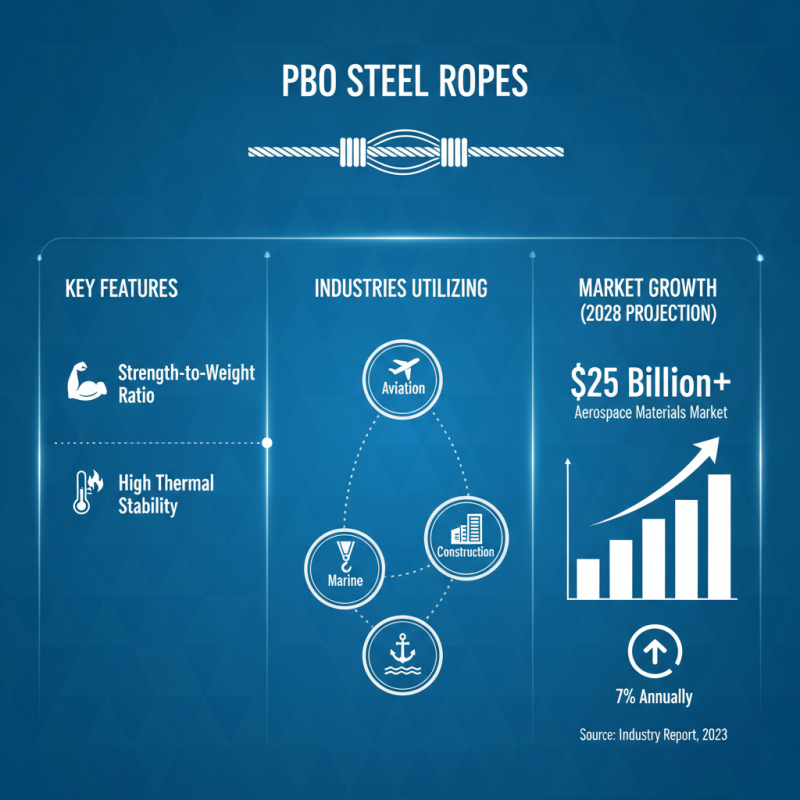
PBO (polybenzoxazole) steel ropes have gained significant traction across various industries due to their exceptional strength-to-weight ratio and high thermal stability. Key industries utilizing PBO steel ropes include aviation, construction, and marine. In the aviation sector, PBO steel ropes are increasingly being integrated into aircraft components, as they can withstand extreme temperatures and mechanical stresses. A recent market report highlighted that the aerospace materials market, which includes advanced composites and high-performance ropes, is expected to grow by over 7% annually, reaching upwards of $25 billion by 2028. This growth signifies the crucial role of materials like PBO in enhancing safety and efficiency in aerial operations.
In construction, PBO steel ropes are used in applications such as suspension systems and lifting equipment where both strength and durability are paramount. According to an industry analysis, the construction sector is projected to witness a rise in demand for innovative materials, including PBO ropes, with a compound annual growth rate (CAGR) of 5.3% through 2030. The durability and resistance properties of PBO ropes significantly reduce maintenance costs and ensure project integrity. Additionally, in the marine industry, these ropes are utilized in lifeboats and mooring applications, providing critical support and safety features for maritime operations. The ability of PBO steel ropes to perform under extreme conditions makes them invaluable across these key sectors, showcasing their versatility and reliability.
PBO Steel Rope Applications in Construction and Infrastructure
PBO steel ropes are increasingly recognized for their exceptional strength and lightweight properties, making them an ideal choice for various construction and infrastructure projects. One key application is in the suspension systems of bridges, where the high tensile strength of PBO ropes allows for longer spans and reduced structural weight. This not only enhances the safety and stability of the bridge but also enables innovative designs that were previously unfeasible with traditional materials.
Another significant application is in high-rise building construction, particularly in the use of PBO steel ropes for elevators and hoisting systems. The lightweight nature of these ropes ensures efficient movement and reduced energy consumption, which are crucial in managing operational costs. Additionally, PBO ropes offer excellent resistance to environmental factors such as heat and humidity, making them suitable for use in various climates.
**Tips**: When selecting PBO steel ropes for your projects, consider the specific load requirements and environmental conditions you will be facing. Proper installation techniques and regular maintenance will also help extend the lifespan of the ropes, ensuring optimal performance in your construction efforts. Always consult with industry experts to tailor your approach and maximize the benefits of using PBO materials in your construction projects.
Top 10 Pbo Steel Rope Applications in Construction and Infrastructure
Advancements in PBO Steel Rope Technology
The advancements in PBO steel rope technology have revolutionized various industrial applications through enhanced performance characteristics and durability. Poly(p-phenylene-2,6-benzobisoxazole) (PBO) is celebrated for its exceptional strength-to-weight ratio, outperforming traditional materials in numerous strenuous environments. According to a report by the Technical Textile Association, PBO fibers can withstand temperatures as high as600 degrees Celsius, demonstrating remarkable thermal stability useful in applications ranging from aerospace to construction.
Furthermore, the increased adaptability of PBO steel ropes has led to significant gains in safety and efficiency across industries. Recent studies indicate that the tensile strength of PBO ropes can reach upwards of 5000 MPa, which is approximately five times stronger than steel on a weight basis. This strength allows for the creation of lightweight rigging and lifting systems, reducing equipment wear and enhancing load management. As a result, sectors such as offshore drilling and heavy lifting logistics are witnessing decreased operational costs and improved safety records owing to the integration of PBO technology into their practices.
The ongoing research into PBO composite materials also signals a future with even more refined applications. Innovations such as multi-strand configurations and hybrid materials leverage the mechanical advantages of PBO while addressing challenges like impact resistance and flexibility. As industries continue to incorporate advanced PBO steel ropes, it is clear that this technology is not only setting a new standard but also pushing the boundaries of what is possible in high-demand environments.
Safety Considerations When Using PBO Steel Ropes
When working with PBO steel ropes, safety should always be a top priority. PBO (Polyphenylene Benzobisoxazole) is known for its exceptional tensile strength and thermal stability, making it an attractive choice for various applications, from construction to aerospace. However, despite its advantages, improper handling and installation can lead to severe safety hazards. According to a report by the International Organization for Standardization (ISO), improper use of high-performance ropes contributes to 20% of workplace accidents in industries that rely on heavy lifting and rigging.
To mitigate these risks, it is essential to adhere to industry best practices. Regular training for personnel who handle PBO steel ropes is critical. Reports suggest that companies with comprehensive safety training programs witness a 40% reduction in accidents related to rope failure. Additionally, conducting routine inspections, maintaining proper tension, and ensuring that ropes are used within their specified limits are vital steps in maintaining safety and performance. Per guidelines from the Occupational Safety and Health Administration (OSHA), ensuring proper storage conditions for these ropes can also extend their lifespan and reduce the likelihood of failure during use.
Furthermore, the environmental conditions in which PBO steel ropes are used should also be considered. Exposure to extreme temperatures or corrosive substances can degrade the integrity of the ropes, thereby increasing the chances of accidents. Industry studies indicate that approximately 15% of reported failures stem from environmental factors. Therefore, keeping a close eye on usage conditions that may compromise the rope’s strength is crucial for ensuring the safety of both the operators and the project as a whole.
Top 10 Pbo Steel Rope Applications You Need to Know for Your Projects - Safety Considerations When Using PBO Steel Ropes
| Application | Description | Safety Considerations | Typical Load Capacity |
| Aerospace | Used in suspension systems and load bearing for aircraft. | Check for fatigue and wear regularly. | Up to 10,000 lbs. |
| Mining | Transporting payloads and securing equipment in mines. | Ensure proper anchoring and load distribution. | Up to 15,000 lbs. |
| Construction | Used in lifting heavy materials and equipment. | Regular inspection is crucial for safety. | Up to 20,000 lbs. |
| Marine | Ropes for mooring and securing vessels during transit. | Monitor for signs of corrosion and wear. | Up to 12,000 lbs. |
| Telecommunications | Support structures for antennas and cables. | Ensure tension is correctly adjusted to prevent damage. | Up to 5,000 lbs. |
| Oil and Gas | Transporting equipment and securing loads in drilling operations. | Avoid exposure to harsh chemicals. | Up to 25,000 lbs. |
| Entertainment | Rigging for events and stage productions. | Frequent testing and maintenance required. | Up to 8,000 lbs. |
| Rescue Operations | Used by search and rescue teams for lifting and lowering equipment. | Conduct regular drills to ensure safety protocols. | Up to 6,000 lbs. |
| Sports and Recreation | Used in climbing and other adventure sports. | Certification and proper usage training recommended. | Up to 3,500 lbs. |
Cost-Benefit Analysis of PBO Steel Rope for Projects
When considering the cost-benefit analysis of PBO (Polyphenylene Benzobisoxazole) steel ropes for various projects, it's essential to evaluate both their performance and overall expenses. PBO steel ropes are renowned for their exceptional strength-to-weight ratio, making them a popular choice in high-stress environments such as construction, maritime activities, and rescue operations. While the initial investment in PBO ropes may be higher compared to conventional steel options, their durability and reduced maintenance needs could lead to significant long-term savings. The longevity of these ropes, under extreme conditions, means fewer replacements and less downtime, which ultimately contributes to increased project efficiency.
Additionally, the unique properties of PBO steel ropes, including resistance to heat and abrasion, offer further advantages that can justify their upfront costs. Their lightweight nature not only simplifies handling and installation but also enhances safety by reducing the physical strain on workers. In projects where weight is a critical factor, the integration of PBO ropes may provide a competitive edge, allowing for more innovative designs and improved structural integrity. Therefore, while the financial investment may be significant, the potential for improved operational outcomes and reduced lifecycle costs makes PBO steel ropes a valuable asset in modern project management.
Future Trends in PBO Steel Rope Applications
The future of PBO steel rope applications is promising, with advancements in technology driving innovation across various industries. As the demand for high-performance materials grows, PBO steel ropes are increasingly being used in sectors such as aerospace, construction, and maritime. Their exceptional tensile strength, lightweight nature, and resistance to extreme temperatures make them ideal for applications that require reliability and durability. Emerging trends indicate that as industries push for more efficient and sustainable solutions, PBO steel ropes will become crucial in developing safer and more robust infrastructure.
Furthermore, the integration of smart technology into PBO steel rope systems is expected to revolutionize their application. Innovations such as embedded sensors for real-time monitoring will enhance safety measures, predict maintenance needs, and improve overall performance. This technological evolution not only extends the lifespan of the ropes but also provides critical data analytics that can lead to more informed decision-making. As the industries evolve, the adaptability and resilience of PBO steel ropes will continue to make them a favored choice for critical applications, ultimately shaping the future landscape of engineering and construction.
Exploring the Benefits and Applications of Sintered Stainless Steel Felt with Woven Mesh for Advanced Filtration Solutions
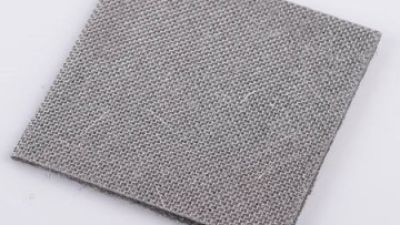
Sintered stainless steel felt combined with woven mesh represents a significant advancement in filtration technologies, known for its robust performance across a range of applications. The integration of single-layer or double-layer woven mesh onto sintered felt not only enhances the strength of the material but also safeguards its filtration qualities. This innovative structure allows the felt to withstand high pressures while maintaining its filtration efficacy, addressing common issues faced by traditional filtering media.
The unique manufacturing process of sintered stainless steel fiber felt involves the arrangement and sintering of ultra-fine metal fibers, resulting in a three-dimensional porous architecture. This design features varying pore sizes, which ensures high porosity and a large specific surface area, alongside uniform pore size distribution. Consequently, the material boasts impressive dirt holding capacity and filtering accuracy, making it ideal for high-temperature and corrosive environments. Moreover, the properties of sintered stainless steel fiber felt effectively mitigate the limitations of conventional metal mesh, such as susceptibility to clogging, while also surpassing the fragility and low flow rates associated with many powder filtration solutions. This positions sintered stainless steel felt as a leading option for advanced filtration needs in various industries.
FAQS
: PBO steel rope offers high tensile strength, thermal stability, lightweight properties, superior flexibility, and fatigue resistance, making it ideal for various industrial applications.
PBO steel rope can withstand extreme temperatures ranging from -200°C to 600°C.
The demand for PBO steel rope is projected to rise by 15% annually, driven by its use in sectors like construction, aerospace, and marine industries.
Evaluate the working environment, particularly for corrosive or high-temperature conditions, where PBO ropes can outperform traditional steel cables, ensuring longevity and reduced maintenance costs.
PBO steel ropes have a fatigue life exceeding 100,000 cycles, making them suitable for applications involving frequent dynamic loads, such as cranes and pulleys.
PBO steel ropes are used in suspension systems for bridges and in hoisting systems for elevators in high-rise buildings, enhancing safety and reducing structural weight.
Consider the specific load requirements, environmental conditions, proper installation techniques, and plan for regular maintenance to extend the lifespan of the ropes.
PBO ropes minimize the risk of equipment failure under extreme conditions, contributing to overall safety in various industrial applications.
Their lightweight nature ensures efficient movement and reduced energy consumption, which is essential for managing operational costs in systems like elevators.
Always consult detailed performance data, specifications, and industry experts to tailor your approach and maximize the benefits of using PBO materials.
Conclusion
PBO Steel Rope has emerged as a vital material in various industries due to its exceptional characteristics and benefits. This versatile rope offers superior strength, heat resistance, and lightweight properties, making it a preferred choice in construction and infrastructure projects. Industries such as aerospace, marine, and automotive are increasingly leveraging PBO Steel Ropes for their remarkable durability and reliability.
Recent advancements in PBO Steel Rope technology have led to enhanced performance and safety, although careful consideration of safety measures is crucial when implementing these ropes in projects. The cost-benefit analysis highlights PBO Steel Rope as a worthwhile investment, aligning with future trends that predict increased application across diverse fields. Overall, understanding the applications and advantages of PBO Steel Rope is essential for professionals aiming to innovate and improve their project outcomes.